Does Home Insurance Cover Burst Pipes
Find out when burst pipe damage is covered, what exclusions apply, and the steps to protect your insurance claim.
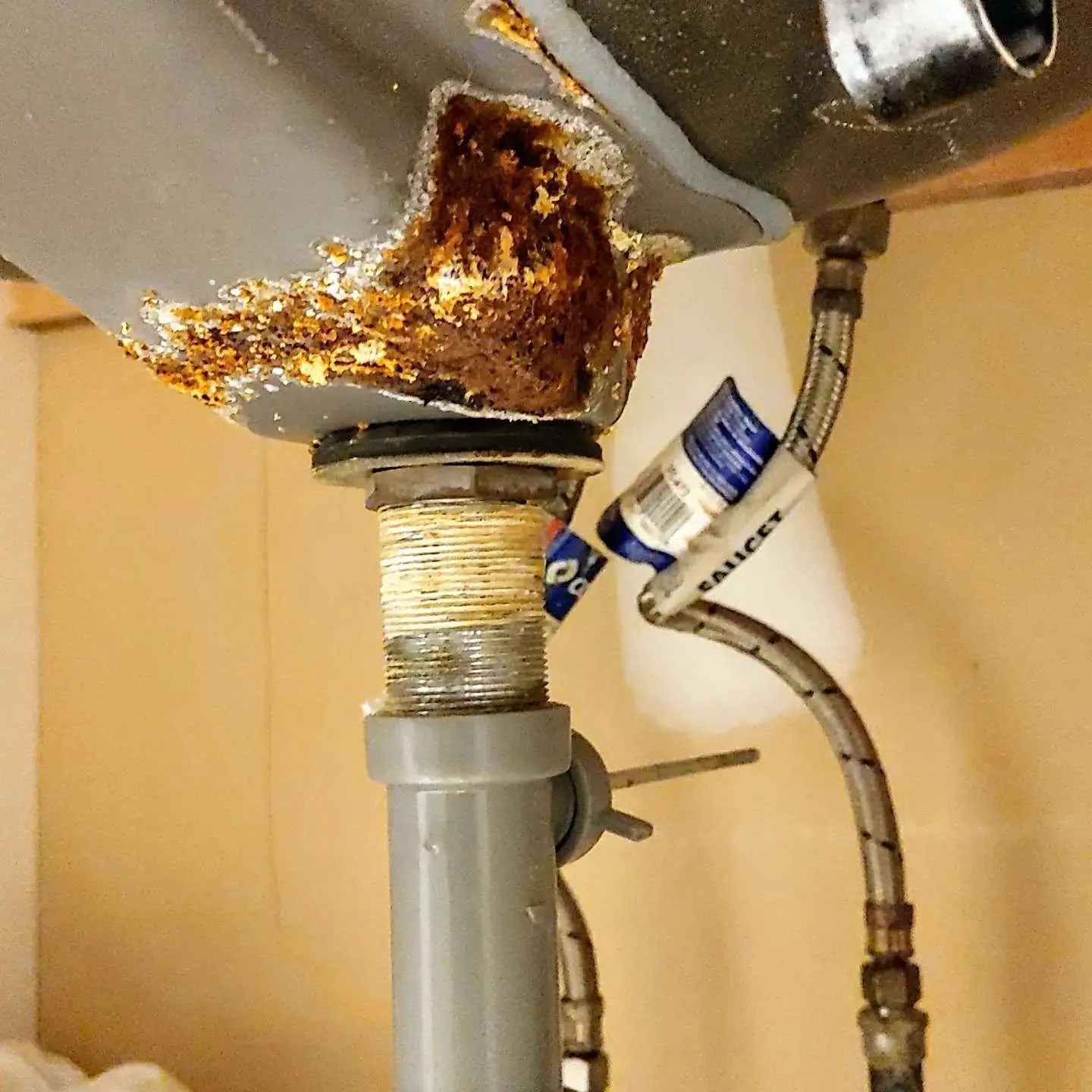
Home insurance coverage for burst pipes depends on the cause, timing, and maintenance history of the plumbing system. Understanding policy conditions prevents claim denials and financial surprises. This guide explains what burst pipe damage home insurance covers, what exclusions apply, and the steps to protect your claim.
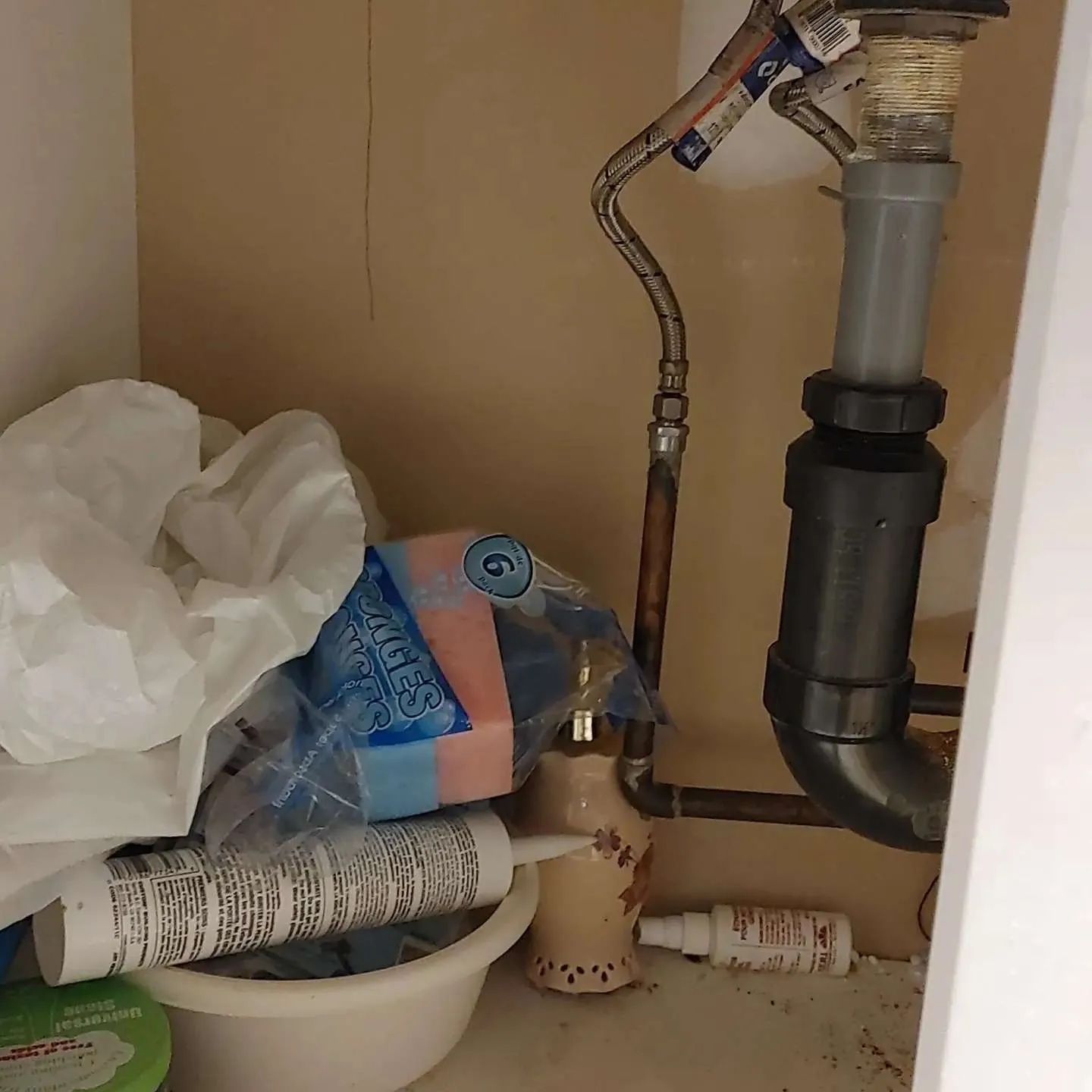
What Does Home Insurance Cover for Burst Pipes?
Home insurance covers burst pipe damage when the pipe failure is sudden and accidental. Standard homeowners policies pay for water damage to floors, walls, ceilings, and personal belongings caused by pipes that rupture without warning. Water damage from burst pipes is typically covered in standard home insurance policies when pipes are located in heated portions of the home and reasonable steps are taken to maintain heat, according to 2024 guidance from the Insurance Bureau of Canada (IBC). Coverage extends to repair costs for drywall, flooring, insulation, and furniture affected by the water release.
Is Burst Pipe Damage Covered If I Was Away From Home?
Yes, burst pipe damage is covered while you are away, provided you took reasonable precautions before leaving. Insurance policies require homeowners to maintain adequate heat during cold months. Most policies specify minimum temperature requirements between 55-65 degrees Fahrenheit. Documentation of thermostat settings and maintenance records strengthens claims filed after extended absences.
Does Insurance Pay for the Pipe Repair Itself?
No, most policies exclude the cost of repairing or replacing the burst pipe itself. Home insurance covers consequential damage from the water release, not the failed component. Pipe replacement costs $150-$1,000 depending on location and material. The distinction separates maintenance responsibilities from insurable events.
While insurance addresses financial recovery, the physical damage from a burst pipe demands immediate professional intervention. Certified technicians trained in professional burst pipe water damage services can begin water extraction within hours, preserving both your property and your claim eligibility.
What Causes Pipes to Burst in Homes?
Pipes burst from five primary causes: freezing temperatures, high water pressure, corrosion, physical damage, and pipe joint failures. Freezing accounts for the majority of winter burst pipe claims. Water expands 9% when frozen, creating pressure exceeding 2,000 PSI inside pipes. High water pressure above 80 PSI stresses pipe walls and connections over time.
Corrosion weakens copper and galvanized steel pipes after 20-50 years of service. Physical damage from construction, rodents, or tree roots compromises pipe integrity.
Joint failures occur at connection points where soldering or threading deteriorates.
Knowing the cause of a pipe failure determines both your insurance eligibility and the urgency of your response. Homeowners facing an active pipe emergency should understand the critical first steps to minimize damage, and our guide on what happens when pipe bursts covers the immediate actions that protect both property and coverage.
When Are Burst Pipes Not Covered by Insurance?
Burst pipes are not covered when damage results from gradual deterioration, homeowner negligence, or failure to maintain the plumbing system. Insurance policies exclude damage from slow leaks, corrosion over time, and pipes that fail due to lack of maintenance. Leaving a home unheated during winter months constitutes negligence in cold climates. Ignoring known plumbing problems voids coverage for subsequent failures. Policy language requires homeowners to take reasonable steps to prevent foreseeable damage.
Are Pipes Under the Foundation Covered?
Pipes under your foundation are covered if burst pipe damage occurs suddenly, but slab leak coverage varies by policy. Standard policies cover water damage from sudden pipe failures regardless of location. Foundation repairs require separate coverage in many policies. Slab leak detection and repair costs $500-$4,000 before foundation work begins.
Are Outside Pipes Covered by Home Insurance?
Yes, outside pipes are covered under the same sudden and accidental standard that applies to interior plumbing. Exterior hose bibs, irrigation lines, and supply pipes qualify for coverage when burst pipe failure occurs unexpectedly. Damage from failure to winterize outdoor spigots falls under negligence exclusions. Disconnecting hoses and insulating exterior faucets satisfies maintenance requirements.
Are Frozen Burst Pipes Covered by Insurance?
Frozen burst pipes are covered when homeowners maintain adequate heat and take reasonable precautions during cold weather. Insurance companies pay claims for pipes that freeze despite normal heating and winterization efforts. From 2024 through June 2025, more than 20,000 frozen pipe claims were filed totaling over $628 million in paid losses, with average claim payments exceeding $30,000, according to 2026 data from State Farm. Documentation of heating system maintenance and thermostat records supports frozen pipe claims.
Do Insurance Companies Pay Out for Burst Pipes?
Yes, insurance companies regularly pay burst pipe claims that meet policy conditions. Valid claims receive payment for water extraction, drying services, structural repairs, and personal property replacement. Claims processing takes 30-60 days for standard cases. Disputed claims involving coverage questions extend to 90 days or longer.
Freezing is the leading cause of burst pipes in Canadian winters, but not every frozen pipe results in a rupture. The relationship between ice formation and pipe failure depends on several factors, and understanding whether frozen pipes always burst helps homeowners assess risk and take appropriate preventive action.
What Types of Pipe Damage Are Never Covered?
Pipe damage from gradual deterioration, ongoing neglect, and predictable wear is never covered by home insurance. Policies specifically exclude slow leaks that develop over weeks or months. Visible corrosion that homeowners ignore constitutes neglect. Tree root intrusion into sewer lines falls under maintenance exclusions.
Flood damage from external sources requires separate flood insurance. Sewer backup coverage requires an additional endorsement in most policies.
What Steps Should You Take After a Pipe Bursts?
Seven immediate actions minimize damage and protect your insurance claim:
Shut Off the Main Water Valve
Stop water flow within the first 5 minutes to minimize flooding damage.
Turn Off Electricity
Kill power to affected areas where water contacts wiring or outlets to prevent electrical hazards.
Document All Damage
Take photos and videos before cleanup begins to capture comprehensive evidence for your claim.
Contact Your Insurance Company
Report the loss within 24 hours to initiate the claims process.
Begin Water Extraction
Use wet vacuums, mops, and towels immediately to remove standing water.
Remove Wet Materials
Move rugs, furniture, and belongings out of standing water to prevent further damage.
Hire Professional Restoration
Engage restoration services within 24-48 hours to prevent mold growth.
Prompt action reduces total damage and demonstrates reasonable mitigation efforts to insurance adjusters.
Toronto homeowners dealing with burst pipe emergencies need fast, local response to prevent escalating water damage. Our team provides burst pipe water damage in Toronto with rapid dispatch and direct insurance coordination to streamline both restoration and claims.
How Can You Prevent Burst Pipes?
Five preventive measures protect pipes from bursting:
Maintain Indoor Temperatures
Keep temperatures at 55 degrees Fahrenheit or higher during cold months.
Insulate Exposed Pipes
Cover pipes in attics, crawl spaces, and exterior walls with foam sleeves.
Open Cabinet Doors
Allow warm air circulation under sinks on exterior walls during cold weather.
Let Faucets Drip
Relieve pressure buildup during extreme cold by allowing a slow drip from faucets.
Disconnect Outdoor Hoses
Shut off exterior water supplies before freezing weather arrives.
Prevention costs $50-$200 for insulation materials. Frozen pipe repairs average $5,000-$30,000 including water damage restoration.
Does Renters Insurance Cover Burst Pipes?
Renters insurance covers your personal belongings damaged by burst pipes, but the landlord's policy covers structural repairs. Tenant policies pay for clothing, electronics, furniture, and other possessions affected by water damage. Renters insurance excludes building repairs, flooring, and wall damage. Landlord notification within 24 hours preserves both parties' claims. Renters policies cost $15-$30 monthly and provide $20,000-$50,000 in personal property coverage.
Will My Premiums Increase After a Burst Pipe Claim?
Yes, filing a burst pipe claim increases premiums by 5-15% at renewal in most cases. Rate increases persist for 3-5 years following a claim. Claims under $5,000 produce smaller increases than major losses. Multiple claims within 3 years trigger larger premium adjustments or non-renewal notices.
What Should You Know About Burst Pipe Coverage?
Home insurance does cover burst pipes when damage occurs suddenly and accidentally from freezing, pressure failures, or unexpected ruptures. Coverage excludes gradual deterioration, neglected maintenance, and damage from known plumbing problems. Policy conditions require maintaining heat, winterizing pipes, and taking reasonable precautions.
Reviewing your policy declarations page confirms specific coverage limits and exclusions. Understanding home insurance coverage for burst pipes before an emergency occurs prevents claim disputes and ensures proper protection for your home.
Related Articles
Ready to Get Started?
Get professional services in today. Call now for immediate assistance or get a free quote.
Professional Service
Trusted experts in your area
Quick Response
Fast and reliable service
Fully Licensed
Certified and insured professionals