Signs of Hidden Water Damage Behind Walls
Identify the 7 warning signs of concealed moisture damage, from stains and odors to structural softening, before costly repairs become necessary.
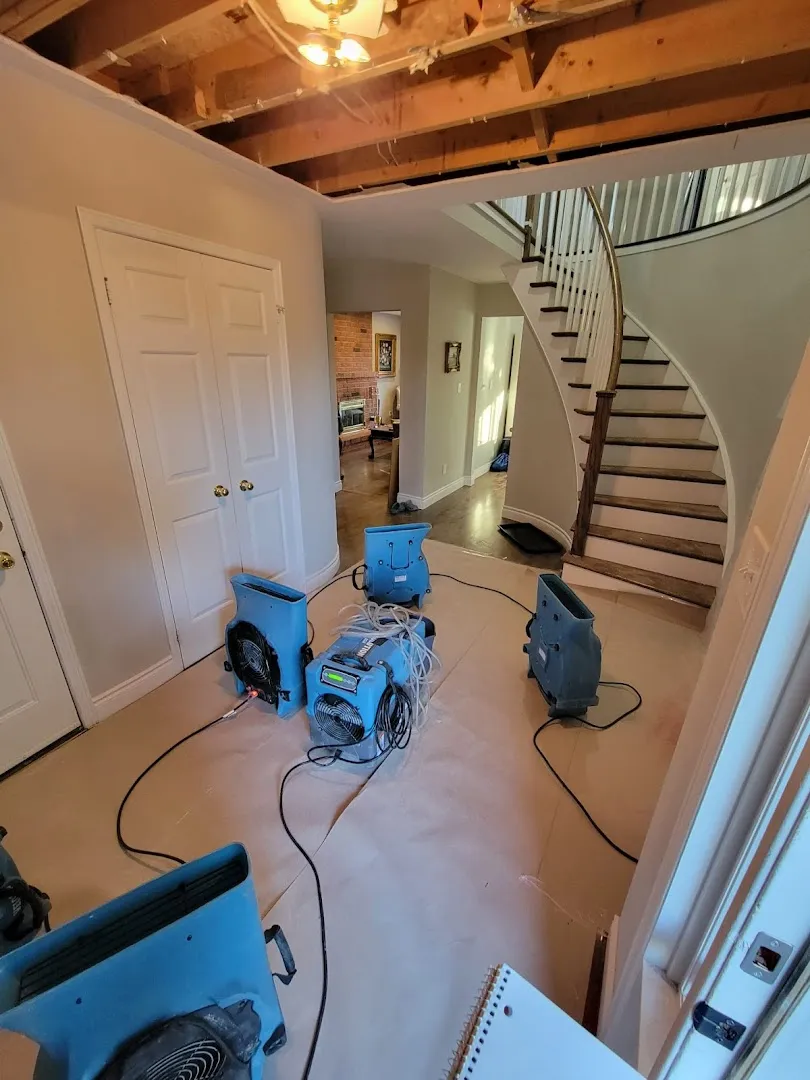
What Are the Signs of Water Damage in Walls?
The 7 primary warning signs of water damage in walls include visual stains, paint bubbling, soft drywall, warping surfaces, musty odors, mold growth, and audible water sounds. Water damage occurs when moisture intrusion causes visible deterioration and structural degradation within wall assemblies. These warning signs fall into three detection categories: visual indicators, structural changes, and sensory clues.
Visual signs manifest as yellow or brown stains, peeling or bubbling paint, and discoloration patterns that spread outward from the moisture source. Structural indicators include drywall that feels soft to the touch, warped surfaces, and buckled baseboards. Sensory clues involve persistent musty odors from mold growth and dripping or running water sounds within wall cavities. Detecting these signs early prevents extensive structural damage and costly mold remediation.
What Does Water Damage Look Like on Drywall?
Water damage on drywall appears as yellow or brown stains, bubbling or peeling paint, and warped or swollen surfaces that feel soft to the touch. Fresh water stains display dark, wet coloring while older stains transition to yellow, then brown with defined ring patterns around the edges.
Stains expand outward from the water source in circular or irregular patterns. Drywall paper absorbs moisture and separates from the gypsum core, creating bubbling beneath paint layers. Severely damaged drywall crumbles when pressed firmly.
Is Bubbling Paint Always a Sign of Water Damage?
No, bubbling paint indicates water damage in most cases, but temperature fluctuations, poor ventilation, or improper paint application cause similar bubbling effects. Water-caused bubbling feels damp to the touch and accompanies other moisture indicators like musty odors or soft drywall.
Non-water bubbling remains dry underneath and appears in isolated patches without spreading. Paint applied over uncured primer or in humid conditions bubbles without moisture intrusion from leaks.
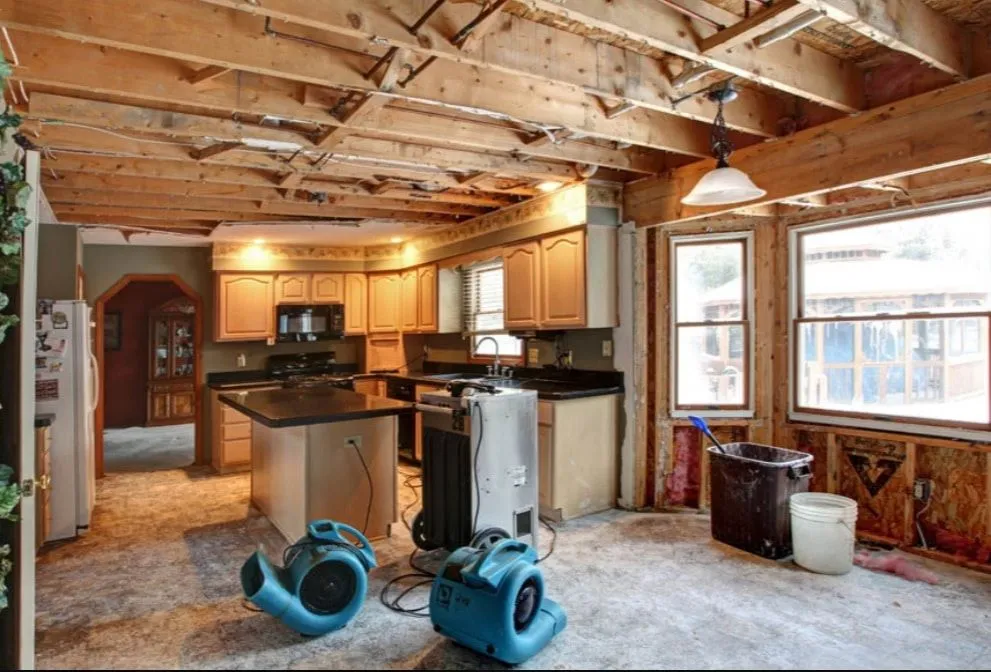
When Do Water Damage Signs First Appear?
Water damage signs appear within 24 to 72 hours after moisture intrusion, with visible staining developing first and structural deterioration progressing over subsequent weeks. Fresh stains darken and spread during active leaks while drywall begins softening within 48 hours of continuous moisture exposure.
Mold growth initiates within 24 to 48 hours when wet materials remain undried. Drying wet or damp materials within 24-48 hours after a leak prevents mold growth in most cases, according to the U.S. Environmental Protection Agency.
Early-stage indicators include slight discoloration and paint texture changes. Late-stage indicators involve visible mold, severe warping, and structural weakness.
This critical timeline makes early detection essential for preventing extensive damage and health hazards.
The contamination level of the water source also determines how quickly damage escalates from cosmetic to hazardous. Differentiating between clean water and sewage-contaminated intrusion affects both cleanup urgency and safety protocols, which our guide on category 1 category 3 water damage classification explains in detail.
Does Water Damage in Walls Cause Mold Growth?
Water damage in walls causes mold growth within 24 to 48 hours when moisture levels remain elevated and organic materials like drywall paper provide food sources. Mold spores exist naturally in indoor air and activate when moisture, organic material, and warmth combine within wall cavities.
Research indicates that 46% of water-damaged homes exhibited visible mold growth, with 17% showing heavy mold coverage exceeding 50% on interior walls, according to a 2005 study by the Centers for Disease Control and Prevention. Visible mold on wall surfaces represents established colonies with larger hidden growth behind walls. Drywall paper, wood framing, and dust accumulation provide nutrient sources for rapid mold proliferation within enclosed wall assemblies.
Mold remediation after water damage raises important questions about financial coverage, since many homeowners are unsure whether their policy extends to secondary mold issues. Our resource on whether insurance cover mold water damage clarifies what standard policies include and when additional endorsements are needed.
Can Water Damage in Walls Make You Sick?
Yes, water damage in walls poses health risks when mold growth produces allergens, irritants, and mycotoxins that trigger respiratory symptoms, allergic reactions, and asthma attacks. Mold produces allergens, irritants, and in some cases potentially toxic substances called mycotoxins that cause allergic reactions, hay fever-type symptoms, and asthma attacks in sensitive individuals, according to the U.S. Environmental Protection Agency.
Children, elderly individuals, and immunocompromised persons face elevated health risks from mold exposure. Symptoms include nasal congestion, throat irritation, coughing, wheezing, and eye irritation. Addressing water damage promptly prevents mold establishment and protects occupant health.
How to Tell the Difference Between Old and New Water Stains?
New water stains appear dark, wet, and expand actively, while old water stains display defined edges, lighter coloring, and dried ring patterns that no longer grow. Fresh stains feel damp when touched and darken surrounding wall materials progressively.
Old stains feel completely dry with distinct borders where moisture stopped spreading. Color progression moves from dark wet staining through yellow discoloration to brown permanent staining with visible ring patterns. Expanding stains indicate active leaks requiring immediate attention while static stains suggest resolved moisture sources needing repair assessment.
What Does NOT Indicate Water Damage in Walls?
3 conditions mimic water damage signs but originate from different sources: nail pops from settling, paint failure from humidity fluctuations, and cracks from structural movement. Nail pops create circular bumps or cracks around fasteners as building materials shrink and expand seasonally without moisture involvement.
Paint failure from humidity fluctuations produces peeling and bubbling in bathrooms and kitchens without underlying water intrusion from leaks. Settlement cracks appear as diagonal lines near corners and door frames from foundation movement rather than moisture deterioration. These conditions require different remediation approaches than actual water damage situations. Testing for moisture presence with meters distinguishes water damage from mechanical or environmental causes.
Do All Yellow Stains on Walls Mean Water Damage?
No, yellow stains on walls result from multiple causes including nicotine residue, aging paint oxidation, heat discoloration from radiators, and adhesive bleed-through from wallpaper removal. Water stains display irregular borders with ring patterns while nicotine staining appears uniform across wall surfaces.
Paint oxidation yellows evenly over large areas. Radiator heat creates localized yellowing directly above heating elements. Water stains feel damp during active leaks and leave textured surface changes while other yellowing maintains smooth wall texture.
Ready to Get Started?
Get professional services in today. Call now for immediate assistance or get a free quote.
Professional Service
Trusted experts in your area
Quick Response
Fast and reliable service
Fully Licensed
Certified and insured professionals