Sump Pump Failure Causes
Understand the 7 primary causes of sump pump failure, warning signs of impending breakdown, and prevention measures to protect your basement.
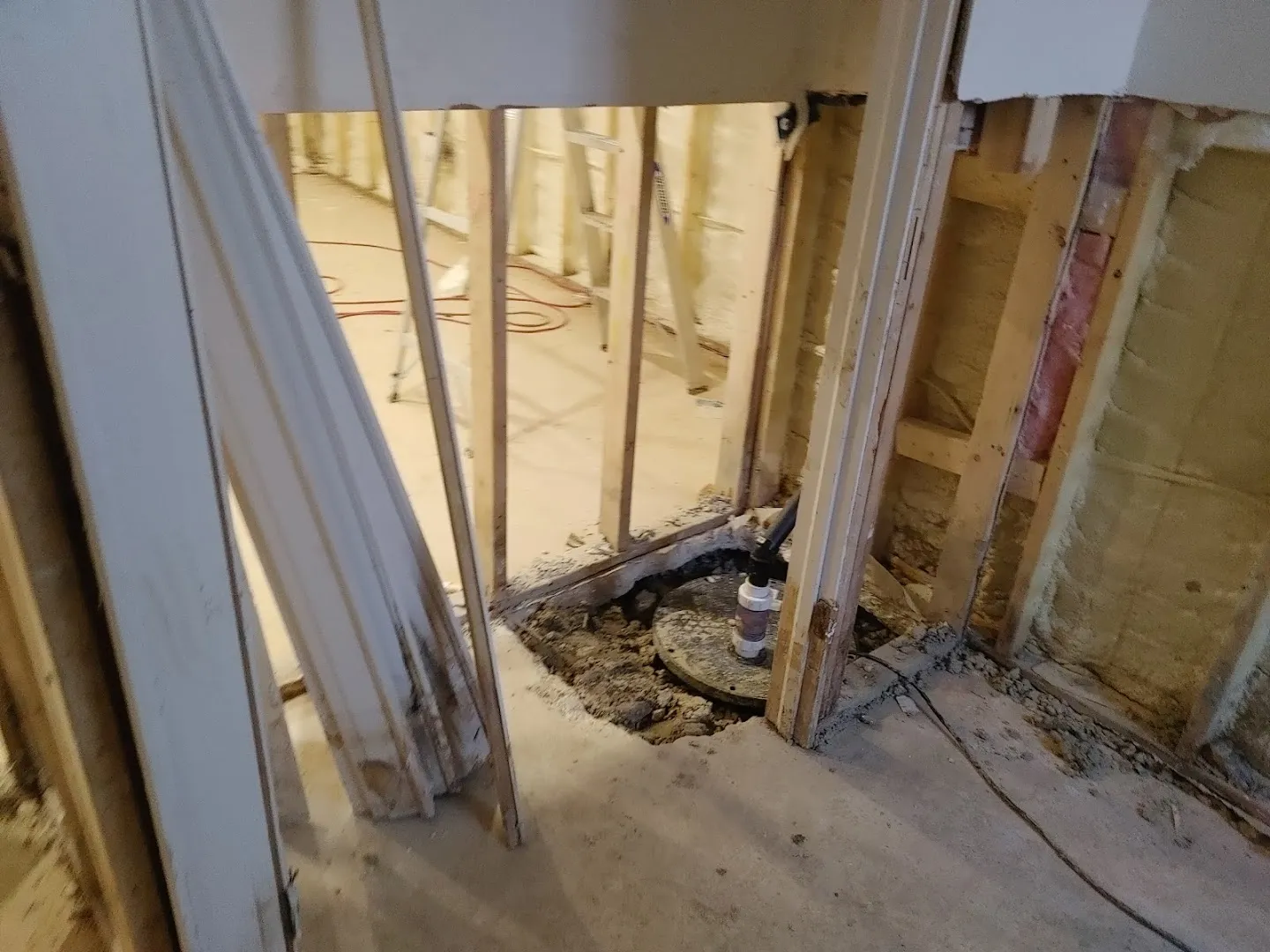
Sump pump failure leaves basements vulnerable to flooding, causing thousands of dollars in water damage within hours. Understanding the causes of sump pump failure helps homeowners prevent catastrophic basement flooding before pump breakdown occurs.
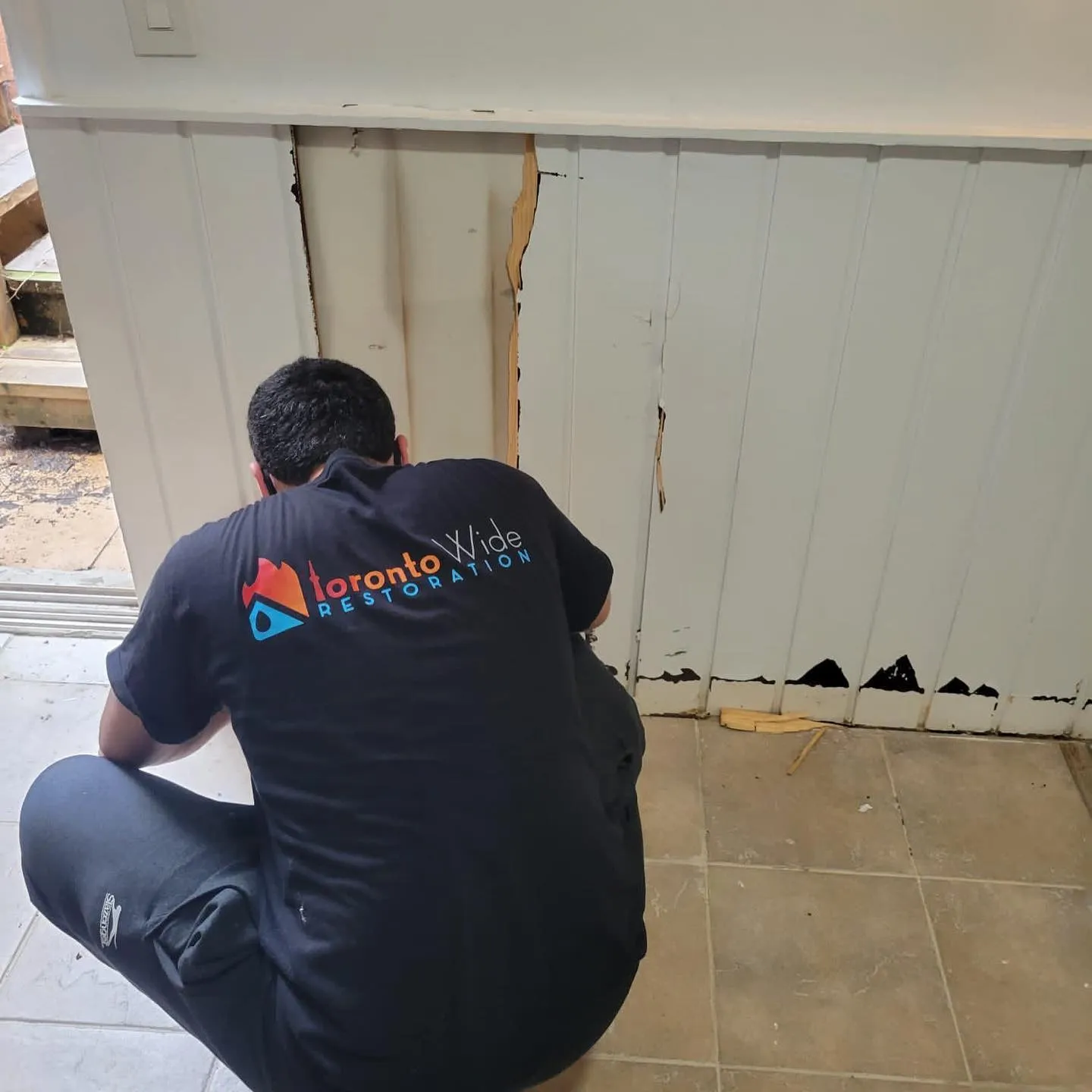
What Causes a Sump Pump to Fail?
Seven primary factors cause sump pump failure, ranging from power issues to mechanical wear. Power outages disable sump pumps during storms when water intrusion peaks. Switch malfunction occurs when the float switch becomes stuck in the ON or OFF position.
Clogged discharge lines prevent water from exiting the system, causing the motor to overheat. Overwhelmed capacity happens when water inflow exceeds the pump's gallons-per-hour rating. Frozen pipes block water discharge during winter months.
Improper installation creates undersized systems or incorrect discharge routing. Age-related wear degrades motors, impellers, and seals over 7-10 years.
Approximately 60% of sump pump failures stem from inadequate maintenance, while 25% tie to power issues... according to 2023 research by the National Association of Home Builders. Regular maintenance addresses over 60% of failure causes before pump breakdown occurs.
Is Power Loss the Most Common Cause?
No, switch malfunction ranks as the most common mechanical cause, though power loss remains a leading factor in overall failures. The float switch becomes stuck in the ON position, causing continuous running and motor burnout. A switch stuck in the OFF position prevents the pump from activating when water enters the pit. Power outages affect pumps during storms when basements face the greatest flood risk.
Can Improper Installation Cause Failure?
Yes, improper installation causes premature failure through incorrect sizing, poor pit placement, or faulty discharge routing. Undersized pumps lack capacity to handle peak water inflow during heavy rain. Discharge pipes installed without proper slope allow water to pool and freeze. Missing check valves permit discharged water to flow back into the sump pit, creating endless pump cycling.
How Long Do Sump Pumps Last?
Sump pumps last 7 to 10 years before requiring replacement, though lifespan varies based on usage, quality, and maintenance. High-quality pumps with cast iron or stainless steel components outlast plastic models. Pumps in high-water-table areas cycle more frequently and wear faster. Annual maintenance extends pump lifespan by reducing strain on motors and impellers.
Does an Old Pump Fail More Often?
Yes, sump pumps older than 10 years experience significantly higher failure rates due to worn components and degraded seals. Motor bearings wear down from continuous use. Impellers corrode or crack from mineral deposits in groundwater.
Seals deteriorate, allowing water to enter electrical components. Proactive replacement before the 10-year mark prevents unexpected failure during critical periods.
Why Do Sump Pumps Fail During Rain?
Sump pumps fail during rain because heavy water inflow overwhelms the pump's capacity while simultaneous power outages disable the system entirely. Storms generate rapid groundwater surges that exceed pump GPH ratings. Continuous pump operation during prolonged rain events causes motor overheating and burnout.
Power outages from storm damage eliminate pump function precisely when flooding risk peaks. Lightning strikes damage electrical components in unprotected systems.
Toronto and GTA homeowners face heightened risk during spring thaw and summer thunderstorms when storm surges combine with aging municipal infrastructure. Residents dealing with active basement flooding during these events can contact specialists providing basement flooding cleanup in Toronto for emergency water extraction and structural drying.
Does the Discharge Pipe Freeze in Winter?
Yes, discharge pipes freeze when temperatures drop below 32 degrees Fahrenheit and water sits in exposed pipe sections. Frozen discharge lines trap water inside the system, preventing the pump from removing pit water. The pump cycles endlessly against the blockage, leading to motor failure.
Proper pipe slope allows complete drainage between cycles. Pipe insulation and freeze guards protect exposed sections in cold climates.
When Do Sump Pumps Fail Most Often?
Sump pumps fail most often during spring thaw and heavy rainstorms when water tables rise and pumps work at maximum capacity. Spring snowmelt saturates soil and sends groundwater rushing into basement sump pits. Summer thunderstorms combine high water volume with power outage risk.
Rapid temperature changes in fall and winter create freeze-thaw cycles that stress discharge lines. Peak demand periods expose weaknesses in aging or poorly maintained pumps.
What Are the Signs a Sump Pump Is Failing?
Six warning signs indicate a sump pump is failing before complete breakdown occurs.
Grinding, rattling, or humming sounds signal worn bearings, damaged impellers, or debris in the pump housing.
Pumps vibrate when impellers become bent or unbalanced from sucking in hard debris.
Constant running or failure to activate indicates float switch problems or check valve failure.
Battery corrosion or rust on pump components signals deterioration and impending failure.
A running motor with no discharge indicates impeller damage or clogged lines.
Weak water flow suggests partial clogs, worn impellers, or declining motor power.
Recognizing these warning signs gives homeowners time to act before a complete failure floods the basement. Knowing the immediate steps to take when water does enter the space makes a critical difference, and our guide on what to do when your basement floods outlines the priority actions for minimizing damage.
Is a Constantly Running Pump a Problem?
Yes, a sump pump running constantly signals a stuck float switch, overwhelmed capacity, or check valve failure requiring immediate attention. A float switch stuck in the ON position keeps the motor running even with low water levels. Failed check valves allow discharged water to flow back, creating an endless pumping cycle.
Undersized pumps run continuously when inflow exceeds capacity. Constant operation burns out motors within weeks or months.
Does No Water in the Pit Mean Failure?
No, an empty sump pit indicates the pump is working correctly or water table levels are low, not pump failure. Seasonal variation affects groundwater levels. Dry periods produce empty pits in properly functioning systems. An empty pit becomes a concern only when the pump motor runs continuously with no water present, indicating float switch malfunction.
What Happens When a Sump Pump Fails?
A failed sump pump allows groundwater to flood the basement, causing structural damage, mold growth, and property destruction within hours. Water accumulates rapidly in the sump pit, overflows onto the basement floor, and saturates flooring, drywall, and stored belongings. Mold growth begins within 24-48 hours of water exposure in porous materials.
Foundation damage occurs when standing water erodes mortar and compromises structural integrity. Electrical hazards emerge when water reaches outlets, wiring, or appliances.
Approximately 98% of basements in the United States experience some form of water damage during their lifespan... according to research published by the Federal Emergency Management Agency. Functioning sump pumps provide critical protection against this widespread risk.
When pump failure allows floodwater to overtake a basement, the resulting contamination and saturation require commercial-grade extraction equipment far beyond what homeowner tools can deliver. IICRC-certified teams providing professional basement flooding cleanup deploy truck-mounted extractors and structural drying systems to prevent permanent damage.
Does Insurance Cover Sump Pump Failure?
No, standard homeowner's insurance does not cover sump pump failure or resulting water damage without a specific water backup endorsement. Basic policies exclude water damage from sump pump malfunction, drain backup, or sewer overflow. Water backup endorsements add coverage for $30-$70 annually.
Flood insurance through NFIP covers external flooding but not internal mechanical failures. Policy review before pump failure occurs prevents unexpected denial of claims.
How Can You Prevent Sump Pump Failure?
Five preventive measures significantly reduce sump pump failure risk and protect basements from flooding.
Pour 5 gallons of water into the pit to verify the pump activates, runs, and shuts off properly.
Remove debris, sediment, and mineral deposits that clog pumps and restrict water flow.
Check for clogs, damage, or improper slope that prevents complete water drainage.
Battery or water-powered backup systems maintain protection during power outages.
Proactive replacement before failure prevents unexpected flooding during critical periods.
Should You Install a Battery Backup?
Yes, a battery backup system protects against power outage failures, the leading cause of flooding during storms when pumps are needed most. Battery backup pumps provide 5-12 hours of protection depending on battery capacity and water volume. Water-powered backup systems use municipal water pressure and run indefinitely without electricity. Dual-pump systems with dedicated backups offer maximum protection for finished basements and valuable storage areas.
What Are the Limitations of Sump Pumps?
Sump pumps have three fundamental limitations that homeowners must understand to set realistic expectations. Every pump has a maximum GPH capacity that heavy water events can exceed. Complete power dependency renders standard pumps useless during outages without backup systems.
Mechanical components wear out over 7-10 years regardless of maintenance quality. Sump pumps serve as one component of basement waterproofing, not a complete solution for water management.
Sewer backups represent another flooding risk that sump pumps cannot address, and the contaminated water they introduce creates serious health concerns. Understanding the health risks sewage backup basement situations present helps homeowners recognize when professional hazmat-level cleanup is required.
How to Protect Your Basement from Sump Pump Failure
Protecting basements from sump pump failure requires understanding the causes, recognizing warning signs, and maintaining the system proactively. Switch malfunction represents the most common mechanical failure cause, while power outages create the greatest risk during storms. Regular testing, annual cleaning, and timely replacement prevent over 60% of sump pump failures.
Backup systems provide protection when primary pumps fail during critical flooding events. Understanding sump pump failure causes empowers homeowners to take preventive action before basement flooding occurs.
Related Articles
Ready to Get Started?
Get professional services in today. Call now for immediate assistance or get a free quote.
Professional Service
Trusted experts in your area
Quick Response
Fast and reliable service
Fully Licensed
Certified and insured professionals