Water Damage in Apartments: Tenant vs Landlord Responsibility
Understand who pays for water damage in apartments based on the damage source and whether negligence occurred.
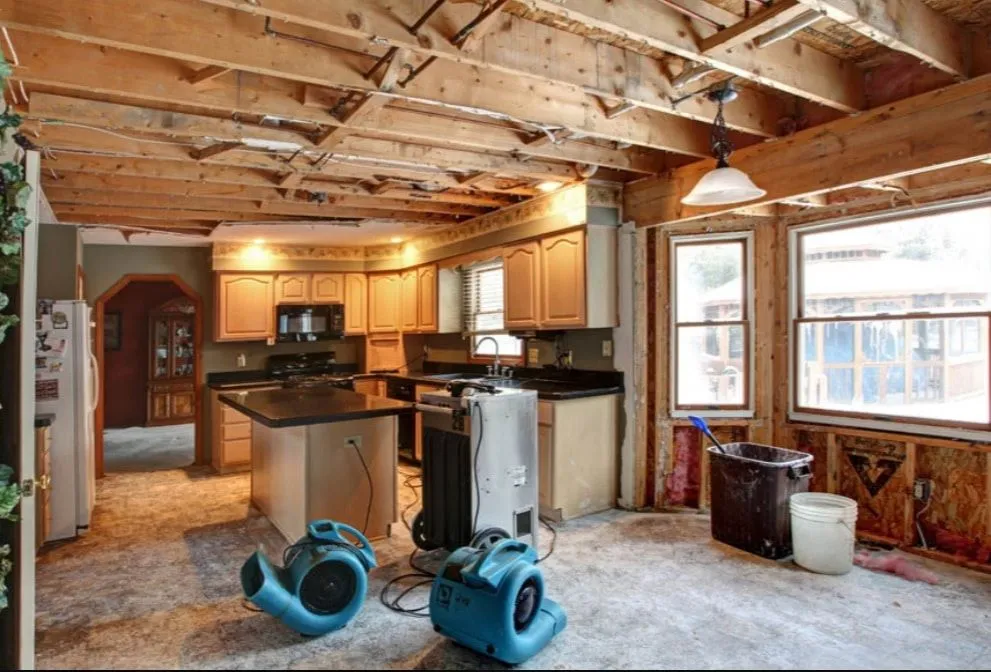
Responsibility for water damage in an apartment depends on two factors: the source of the damage and whether negligence occurred. Landlords handle structural and maintenance-related damage. Tenants answer for damage caused by their own actions or inaction. Water damage affects 14,000 people daily in the United States according to 2025 data from iPropertyManagement Research.
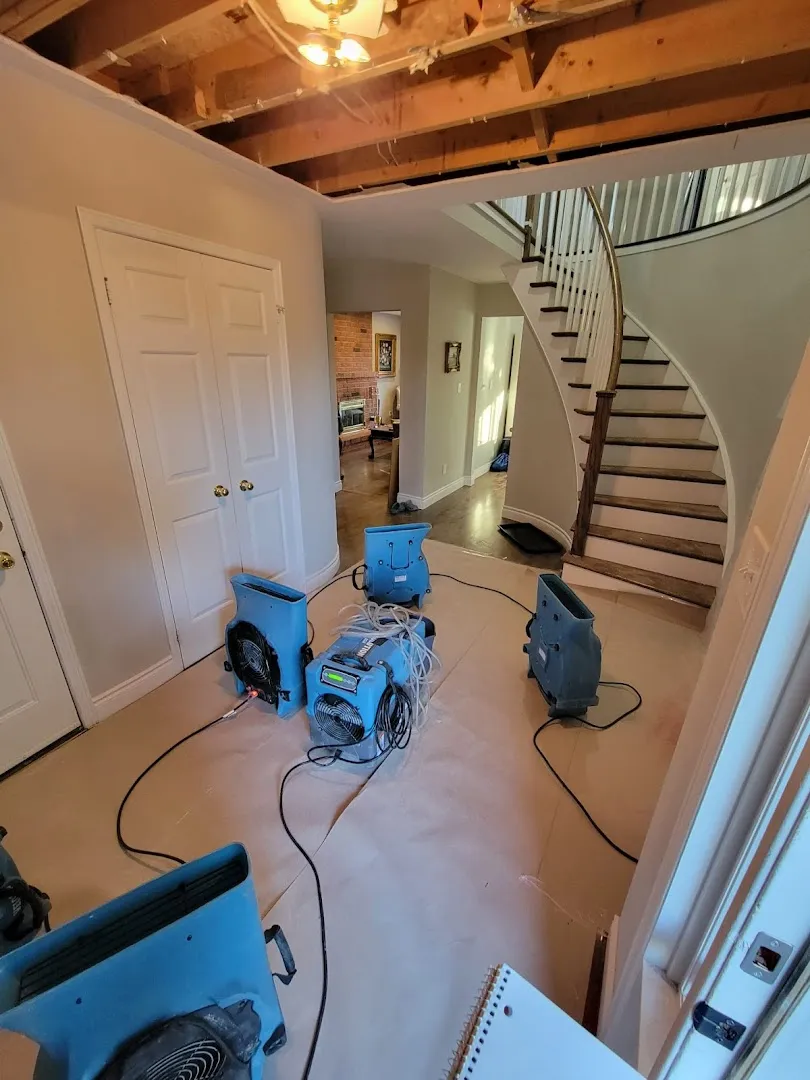
When Is the Landlord Responsible for Water Damage?
Landlords bear responsibility for water damage in 4 primary situations: structural failures, maintenance neglect, habitability violations, and pre-existing conditions.
Pipes within walls, foundation cracks, and building envelope breaches fall under landlord responsibility.
Failure to repair reported issues or perform routine inspections makes the landlord liable.
Roof leaks, sewage backups, and persistent moisture problems violate habitability requirements.
Damage present before tenant occupancy remains the landlord's responsibility.
Does the Landlord Pay for Pipe Bursts in Walls?
Yes, landlords pay for pipe bursts within walls because plumbing infrastructure falls under structural maintenance obligations. The exception occurs when tenant actions caused the burst, such as leaving heat off during freezing temperatures.
Is the Landlord Liable for Roof Leaks?
Yes, landlords are liable for roof leak damage because roof maintenance constitutes a core habitability requirement. Tenants bear no responsibility for external building envelope failures.
When Does Tenant Negligence Cause Water Damage Liability?
Tenant negligence shifts water damage liability when renters cause, worsen, or fail to report water problems in their unit. Negligence includes leaving water running unattended, ignoring visible leaks, and improperly using appliances.
What Are Common Tenant Water Damage Scenarios?
5 common scenarios place water damage responsibility on tenants: overflow incidents, unreported leaks, appliance misuse, fixture negligence, and guest-caused damage.
Bathtubs, sinks, or toilets left running unattended create tenant liability.
Known leaks that tenants fail to report within reasonable timeframes shift responsibility to the tenant.
Improper washing machine connections or dishwasher operation makes the tenant liable.
Damage from tenant-owned appliances or waterbeds falls under tenant responsibility.
Water damage caused by tenant guests remains the tenant's responsibility.
Can a Tenant Be Charged for Not Reporting a Leak?
Yes, tenants can be charged for damage that worsened because the tenant failed to report a known leak promptly. Original damage caused by structural failure remains landlord responsibility. Additional damage from delayed reporting becomes tenant liability.
Can a Tenant Be Evicted for Water Damage?
Yes, a tenant can face eviction for water damage resulting from intentional destruction, gross negligence, or repeated lease violations. Accidental damage from normal use does not constitute eviction grounds.
Does Renters Insurance Cover Water Damage?
Renters insurance covers water damage to personal belongings when caused by sudden, accidental events like burst pipes or overflow, but excludes flood damage and gradual leaks. Approximately 55% of renter households have renters insurance, leaving nearly half without protection according to 2024 data from the Insurance Information Institute.
Does Renters Insurance Cover Damage to the Apartment Itself?
No, renters insurance covers only personal belongings, not damage to the apartment structure, walls, or flooring. Building damage falls under landlord insurance policies.
What Happens with Water Damage from an Upstairs Apartment?
Water damage from an upstairs apartment creates a three-party liability situation involving the upstairs tenant, that unit's landlord, and potentially the building owner. The average homeowners insurance claim for water damage is $13,954 according to 2024 statistics from the Insurance Information Institute. Affected tenants document damage and notify their landlord immediately.
Does Water Damage Liability Differ in Condos vs Apartments?
Yes, condo water damage liability differs because individual unit owners bear responsibility for their unit's interior systems, while apartment renters rely on landlord-maintained infrastructure. Condo bylaws specify exact responsibility boundaries between unit owners and HOA.
Can You Sue an Upstairs Neighbor for Water Damage?
Yes, you can sue an upstairs neighbor for water damage if their negligence directly caused the damage. Small claims court handles disputes with limits of $5,000-$10,000 depending on jurisdiction. Filing fees range from $30-$75. Insurance claims remain the preferred resolution before litigation.
How Long Does a Landlord Have to Fix Water Damage?
Landlords must address water damage within 24-72 hours for emergencies and complete full repairs within 7-30 days depending on severity and local laws.
Can a Tenant Withhold Rent for Unrepaired Water Damage?
Yes, tenants can withhold rent or use "repair and deduct" remedies when landlords fail to address water damage affecting habitability. Proper written notice to the landlord remains required. Specific remedies vary by jurisdiction.
Do Landlords Have to Pay for Temporary Housing During Repairs?
Yes, landlords must provide temporary housing or rent abatement when water damage renders a unit uninhabitable. Options include hotel costs, temporary rental assistance, or lease termination rights.
What Are the Risks of Unaddressed Water Damage?
Unaddressed water damage creates 4 escalating risks: mold growth within 24-48 hours, structural deterioration, electrical hazards, and repair costs multiplying 3-10 times compared to immediate response.
Does Water Damage Lead to Mold Problems?
Yes, water damage leads to mold growth within 24-48 hours of moisture exposure. Health effects include respiratory issues and allergic reactions. Mold remediation costs $500-$6,000 depending on affected area size.
How Should Tenants Document and Respond to Water Damage?
Tenants protect their rights by documenting water damage through dated photographs, written landlord notifications, and maintenance request records.
Stop the Water Source
Shut off valves or turn off appliances to prevent further water damage.
Move Belongings
Move personal items away from water to prevent additional damage.
Document with Photos and Video
Take timestamped photos and video showing the full extent of damage.
Notify Landlord in Writing
Send immediate written notification through email or certified letter.
Contact Renters Insurance
File a claim if personal property sustained damage from the water event.
Water damage in an apartment requires clear evidence of both damage extent and reporting timeline. Responsibility determination between tenant and landlord depends on documented source identification and negligence evidence.
Quick Reference: Landlord vs Tenant Responsibility
The following table compares water damage responsibility across common scenarios.
| Scenario | Landlord Responsible | Tenant Responsible |
|---|---|---|
| Burst pipe in wall | Yes | No (unless tenant caused) |
| Roof leak | Yes | No |
| Overflowing bathtub | No | Yes |
| Appliance malfunction (landlord-provided) | Yes | No |
| Appliance misuse (tenant's appliance) | No | Yes |
| Failure to report known leak | Partial (original damage) | Yes (worsened damage) |
| Pre-existing damage | Yes | No |
| Guest-caused damage | No | Yes |
Apartment water damage responsibility centers on two questions: where did the damage originate, and did negligence occur? Landlords handle structural failures and maintenance issues. Tenants answer for their own actions and failure to report known problems. Documentation protects both parties during responsibility disputes.
Ready to Get Started?
Get professional services in today. Call now for immediate assistance or get a free quote.
Professional Service
Trusted experts in your area
Quick Response
Fast and reliable service
Fully Licensed
Certified and insured professionals