Water Damage in Condos: Who Pays?
Understand condo water damage liability between unit owners and the corporation, including deductibles, negligence, and coverage options.
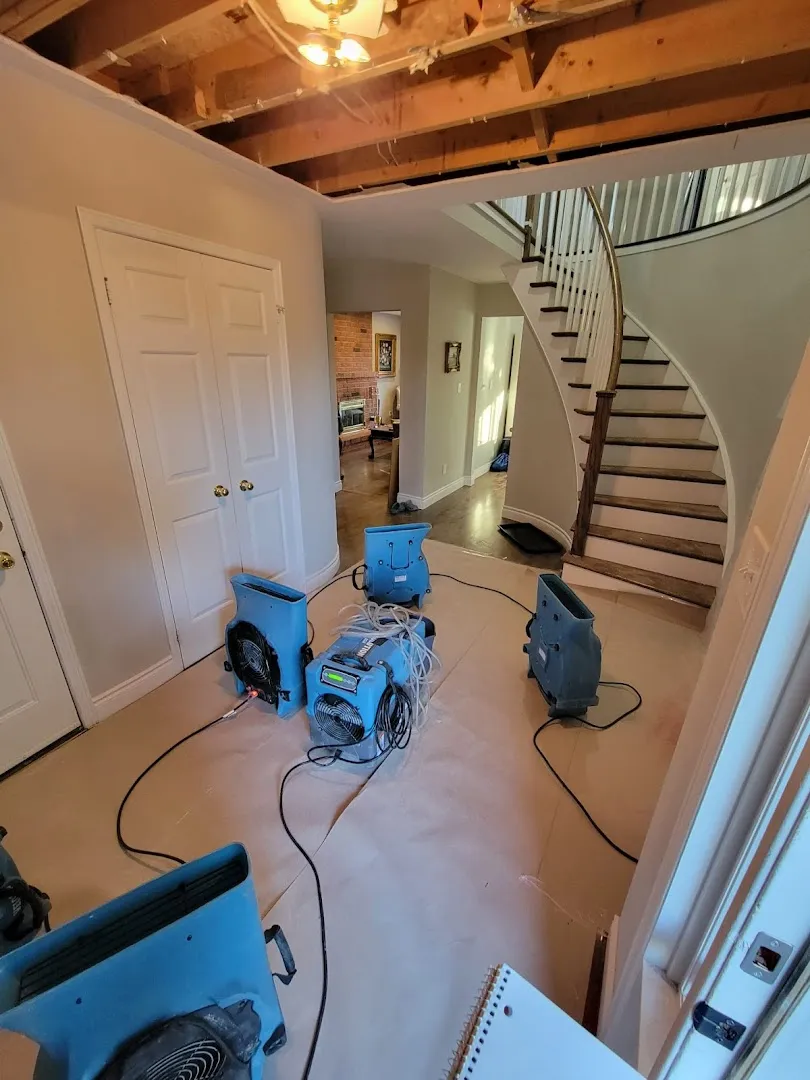
Water damage liability in condominiums depends on the Standard Unit By-law, which defines the boundary between condo corporation and unit owner responsibility. The corporation's master insurance covers common elements and standard unit components, while unit owners bear responsibility for betterments, improvements, and personal belongings.
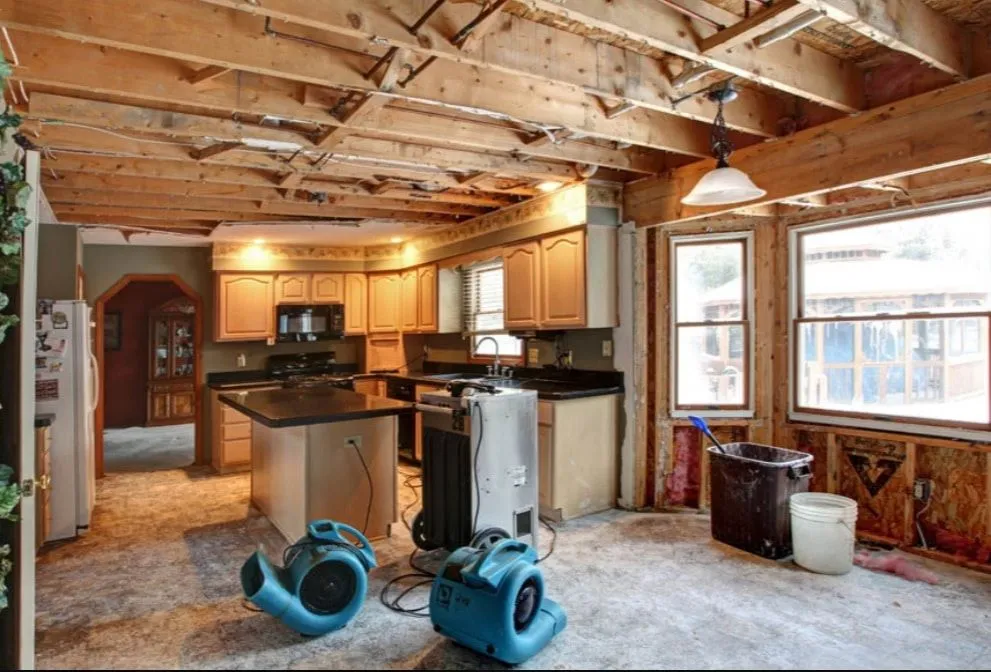
What is the Standard Unit By-law?
The Standard Unit By-law is a legal definition in your condominium declaration that specifies exactly what components are included in your unit versus what belongs to the condo corporation. This by-law creates the dividing line between corporation territory and owner territory for insurance purposes.
Standard Unit By-laws vary between condo corporations. The definition typically includes original drywall, subflooring, standard plumbing fixtures, and basic electrical installed at construction. Everything beyond this original specification falls under unit owner responsibility.
Who is Responsible for Water Damage: Condo Corporation vs. Unit Owner?
Responsibility for water damage splits between the condo corporation, which covers common elements and standard unit components, and the unit owner, who handles betterments, improvements, and personal belongings.
The condo corporation maintains responsibility for common elements including hallways, the roof, exterior walls, and shared pipes within walls. The master insurance policy covers these areas plus anything defined as standard unit components.
Approximately 30% of residents in Vancouver and Toronto live in condos, according to 2016 Statistics Canada data on Canadian housing. This growth makes understanding condo insurance divisions increasingly important for unit owners.
Unit owners carry responsibility for personal belongings, interior improvements, and liability coverage. A comprehensive unit owner policy protects personal property, betterments, personal liability, and additional living expenses when the unit becomes uninhabitable.
When Does Water Damage Liability Become Complicated?
Water damage liability becomes complicated when damage crosses unit boundaries, involves negligence, or affects components that fall outside standard unit definitions.
Condo claims range between 60% and 90% for water damage, compared to 40% of claims being water-related for residential homes, according to research by KPMG for the Canadian Institute of Actuaries. This higher rate reflects the interconnected nature of condo plumbing systems.
When water damage crosses unit boundaries or involves contaminated sources, certified restoration professionals assess the full extent of damage and provide documentation essential for determining liability. Condo owners dealing with complex water intrusion can rely on professional water damage restoration to handle extraction, drying, and insurance coordination.
What Happens When Water Damage Comes from a Neighbor's Unit?
When water damage originates from a neighbor's unit, the affected owner's insurance typically pays first, and the insurer pursues the negligent party through subrogation.
The subrogation process allows the insurance company to recover costs from the party at fault. Neighbor liability depends on negligence. A sudden pipe burst does not establish negligence. A leak the neighbor ignored for weeks establishes clear negligence.
Does Condo Insurance Cover Water Damage from a Neighbor?
Yes, condo insurance covers water damage from a neighbor's unit under your own policy first, regardless of fault, though your insurer recovers costs from the responsible party through subrogation. Your deductible still applies.
What Should You Do When Water Leaks Through Your Condo Ceiling?
When water leaks through your condo ceiling, immediately move belongings away from the affected area, document the damage with photos, and contact both your condo corporation and the unit above. Report the incident within 24-48 hours and contact your insurance company promptly.
The contamination level of the water source significantly affects both health risk and remediation cost in multi-unit buildings. Understanding the differences between category 1 category 3 water damage helps condo owners determine whether standard cleanup or hazmat-level decontamination is required.
When Does the Deductible Matter?
The condo corporation's deductible matters when damage affects standard unit components or common elements, and this deductible can be charged back to unit owners under certain circumstances.
Water damage deductibles increased 135% in strata and condo corporations, according to 2020 research by Deloitte. Deductibles of $25,000 to $100,000 are now common in Ontario condominiums.
Chargebacks occur when the corporation's declaration allows recovery of deductible costs from the unit owner whose unit caused the damage. Loss assessment coverage, available as an endorsement, pays the owner's share of special assessments or deductible chargebacks.
With condo deductibles reaching six figures in Ontario, fast professional response minimizes total damage and reduces the financial burden on unit owners and corporations. Condo residents throughout the Greater Toronto Area can access water damage restoration in Toronto for emergency extraction and certified drying services.
What are Betterments and Improvements?
Betterments and improvements are upgrades made to your unit beyond the original standard unit specifications, such as hardwood flooring, granite countertops, or renovated bathrooms.
The master policy does not cover betterments and improvements. Only the unit owner's personal insurance policy protects these upgrades. Document improvements through receipts, photos, and contractor records.
Is Negligence a Factor in Water Damage Liability?
Negligence directly affects liability because a party who fails to exercise reasonable care, such as ignoring a leaking pipe or leaving water running, becomes personally responsible for resulting damages.
Negligent conduct includes leaving a tap running unattended, ignoring visible warning signs like water stains, and failing to maintain appliances. Condo corporations pursue negligent unit owners for repair costs exceeding insurance coverage.
Can the Condo Corporation Charge Back a Negligent Owner?
Yes, condo corporations charge negligent owners for the insurance deductible and repair costs that exceed insurance coverage when negligence caused the water damage. Documentation proving negligence is required.
Does Condo Insurance Cover Overland Flooding or Sewer Backup?
Standard condo insurance policies exclude overland flooding, and sewer backup coverage requires a separate endorsement that unit owners must specifically request and pay for.
Water damage coverage applies to sudden and accidental water escape from internal sources like burst pipes. Overland flooding from heavy rainfall or river overflow requires separate flood insurance. Sewer backup coverage protects against water entering through drains or sump pump failure.
Insurance coverage gaps catch many condo owners off guard when water damage strikes from unexpected sources. Property owners should review how home insurance cover water damage policies work to identify gaps before an incident occurs.
What Misconceptions Exist About Condo Water Damage Liability?
Three common misconceptions about condo water damage liability lead to inadequate coverage, unexpected bills, and disputes between unit owners and corporations.
Misconception 1: "My condo fees cover all insurance." False. Condo fees fund only the master policy covering common elements. Unit owners must purchase separate policies for personal belongings and betterments.
Misconception 2: "My neighbor automatically pays if their pipe leaks." False. Negligence must be proven before a neighbor bears financial responsibility.
Misconception 3: "Flood damage and water damage are the same for insurance." False. Internal water escape falls under water damage coverage. External flooding requires separate insurance.
Understanding Your Condo's Water Damage Responsibility
Water damage liability in condos depends on understanding your Standard Unit By-law, maintaining adequate unit owner insurance, and knowing the boundaries between corporation and personal responsibility.
Who pays for condo water damage comes down to three factors: where the damage occurred, what caused the damage, and whether negligence played a role. The Standard Unit By-law determines the physical boundary. Insurance policies determine the financial boundary. Negligence determines who ultimately pays.
The Condominium Authority of Ontario provides resources for Ontario condo owners navigating disputes. Review your condo declaration, obtain adequate unit owner coverage, and document all improvements to protect against unexpected water damage costs.
Ready to Get Started?
Get professional services in today. Call now for immediate assistance or get a free quote.
Professional Service
Trusted experts in your area
Quick Response
Fast and reliable service
Fully Licensed
Certified and insured professionals