Water Damage Restoration Cost Factors
Detailed cost breakdowns by water type, damage class, room, and structural area to help you plan and budget effectively.
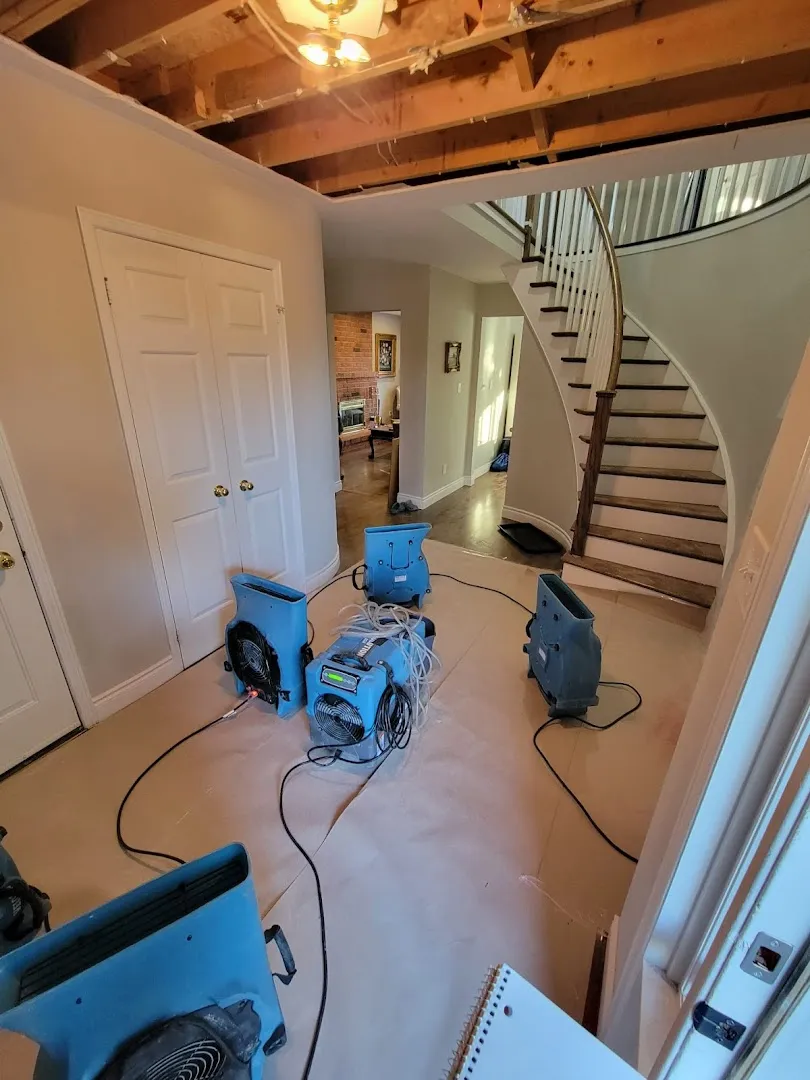
What Determines Water Damage Restoration Cost?
Water damage restoration cost depends on 5 primary factors: water type, damage class, affected square footage, room location, and response time. The national average ranges from $1,300 to $6,300, with minor incidents starting at $450 and severe flooding exceeding $16,000. Water contamination level and structural saturation determine restoration scope.
Response time directly impacts final pricing because delayed treatment allows secondary damage. Local market conditions and proximity to certified restoration providers also influence pricing, with emergency response times varying across different service areas.
Toronto-area property owners can request free on-site estimates from water damage restoration in Toronto to get accurate cost projections based on their specific damage assessment.
How Much Does Water Damage Restoration Cost on Average?
The national average for water damage restoration ranges from $3,800 to $3,900, with most homeowners paying between $1,300 and $6,300. Minor leaks affecting a single room cost $450 to $1,500. Major flooding involving multiple rooms or contaminated water reaches $10,000 to $16,000. The wide cost range reflects differences in damage severity, water source contamination, and restoration scope.
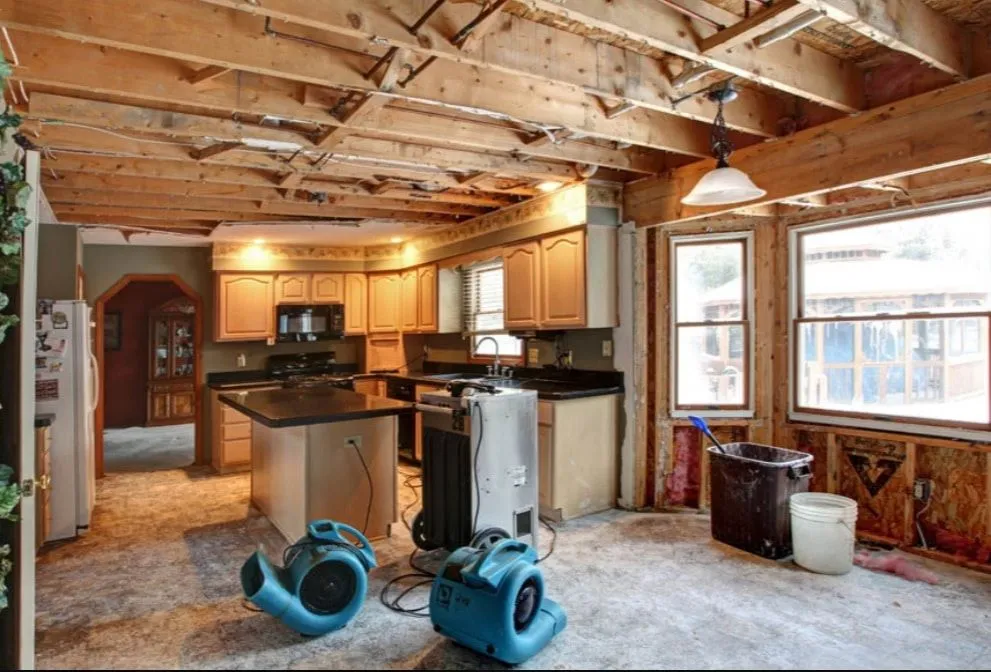
How Much Does Water Damage Restoration Cost Per Square Foot?
Water damage restoration costs $3 to $7.50 per square foot for basic mitigation, while full repairs range from $20 to $38 per square foot. Mitigation includes water extraction, drying, and moisture removal. Repair costs cover material replacement, structural repairs, and finishing work.
| Service Type | Cost Range |
|---|---|
| Water extraction/mitigation | $3 - $7.50/sq ft |
| Water damage repairs | $20 - $38/sq ft |
Per-square-foot pricing varies based on water contamination level, material types affected, and accessibility. A 500-square-foot basement flood costs $1,500 to $3,750 for extraction alone. Full repairs add $10,000 to $19,000.
When Does Water Damage Become Expensive?
Water damage becomes significantly more expensive when restoration begins more than 48 hours after the incident, allowing mold growth and structural deterioration. Mold colonies establish within 24 to 48 hours of water exposure, according to research by Harvard T.H. Chan School of Public Health. Mold remediation adds $1,000 to $6,000 to restoration costs.
Delayed response leads to secondary damage exceeding original water damage costs. Saturated drywall weakens within 72 hours. Wooden structural components begin warping and rotting within days.
Water damage restoration costs vary by water type (clean vs black), damage class (1-4), rooms affected, and areas damaged (flooring, ceiling, walls, foundation). The following sections break down exact costs by water category, damage severity, room type, and structural area.
The exponential cost increase from delayed response makes professional intervention within the first 24 hours the most cost-effective decision a homeowner can make. Engaging a team specializing in professional water damage restoration early prevents the secondary damage that drives costs from manageable to catastrophic.
What Are Water Damage Costs by Type of Water?
Water damage restoration costs vary by 3 water categories: clean water (Category 1) costs the least, while black water (Category 3) requires extensive decontamination and costs the most. Water category determines contamination level, health risks, and required safety protocols.
| Category | Description | Cost Impact |
|---|---|---|
| Category 1 (Clean) | Supply line breaks, rainwater | Lowest - basic extraction |
| Category 2 (Gray) | Appliance overflow, sump pump failure | Medium - requires sanitization |
| Category 3 (Black) | Sewage, flood water | Highest - full decontamination |
Category 1 water from broken supply lines requires standard extraction and drying. Category 2 gray water from appliance malfunctions requires antimicrobial treatment. Category 3 black water from sewage backups requires hazmat protocols, material disposal, and full decontamination.
The difference between a routine cleanup and a hazmat-level decontamination depends entirely on the water contamination category at the source. Property owners can learn the specific health implications and restoration requirements for each level by reviewing category 1 category 3 water damage classifications in detail.
Is Black Water Damage More Expensive to Restore?
Yes, black water damage costs 2-3 times more than clean water damage due to mandatory decontamination, disposal of porous materials, and health safety protocols. Technicians require personal protective equipment. All absorbent materials (carpet, drywall, insulation) require removal and disposal. Black water restoration includes extensive sanitization and air quality testing.
How Much Does Water Damage Cost by Damage Class?
Water damage severity falls into 4 damage classes, with Class 1 (minor) costing $150-$3,500 and Class 4 (extensive) reaching $15,000-$30,000 or more. Damage class describes how much of the room and building materials absorbed water.
| Class | Severity | Typical Cost |
|---|---|---|
| Class 1 | Minor - part of room affected | $150 - $3,500 |
| Class 2 | Moderate - entire room, carpet saturation | $3,500 - $7,500 |
| Class 3 | Significant - walls saturated, ceiling damage | $7,500 - $15,000 |
| Class 4 | Extensive - structural saturation, hardwood/concrete | $15,000 - $30,000+ |
Class 1 damage affects only part of a room with minimal absorption. Class 2 damage saturates entire carpets and wicks into walls. Class 3 damage comes from overhead sources, saturating walls, insulation, and ceilings. Class 4 damage penetrates hardwood, plaster, and concrete, requiring specialized low-grain drying equipment.
Does Structural Damage Increase Restoration Costs?
Yes, structural damage increases restoration costs by $5,000-$20,000 because specialized drying equipment, potential demolition, and reconstruction work become necessary. Class 4 damage involving saturated structural components requires extended drying times of 3-4 weeks. Structural repairs require licensed contractors and building permits.
What Are Water Damage Repair Costs by Room and Area?
Water damage repair costs vary by 5 commonly affected rooms and 5 structural areas, with basements and foundations carrying the highest repair bills. Room size, fixture complexity, and material costs determine final pricing.
Room Cost Breakdown:
- Bathroom: $1,000 - $4,000 (plumbing fixtures, tile work)
- Basement: $2,000 - $10,000 (largest area, foundation concerns)
- Kitchen: $1,500 - $5,000 (appliances, cabinetry)
- Living Room: $1,500 - $5,000 (flooring, furniture impact)
- Laundry Room: $1,000 - $3,500 (appliance-related damage)
| Area | Typical Cost | Key Factors |
|---|---|---|
| Flooring | $1,000 - $10,000 | Material type, subfloor damage |
| Ceiling | $500 - $2,500 | Drywall replacement, leak source |
| Walls | $500 - $3,000 | Insulation, wiring concerns |
| Roof | $1,000 - $5,000 | Structural integrity, weatherproofing |
| Foundation | $3,000 - $15,000 | Excavation, waterproofing |
Multiple affected rooms multiply costs proportionally. A kitchen and basement flood costs $3,500 to $15,000 depending on damage extent and water category.
Is Basement Water Damage More Expensive Than Other Rooms?
Yes, basement water damage costs $2,000-$10,000 compared to $1,000-$5,000 for other rooms because basements involve larger square footage, foundation concerns, and more difficult water extraction. Basement flooding requires sump pumps for water removal. Foundation waterproofing adds $3,000-$15,000 for permanent solutions.
What Increases Water Damage Restoration Costs?
7 factors increase the final water damage restoration bill beyond initial estimates.
After-hours response carries a 20-50% premium over standard service rates.
Adds $1,000-$6,000 when restoration begins more than 48 hours after water damage.
Pre-1980 homes require testing at $200-$800 per test before demolition work.
Building permits and inspections add $100-$500 to structural repair projects.
Furniture, documents, and electronics restoration costs vary based on item value.
Displacement during restoration adds $100-$300 per night for accommodations.
Contaminated ductwork cleaning costs $300-$1,000 to restore air quality.
Emergency response deployments require overtime labor rates. Mold remediation becomes necessary when restoration begins more than 48 hours after water damage. Homes built before 1980 require asbestos and lead testing before demolition. Content restoration for furniture, documents, and electronics adds costs based on item value.
Does Emergency Service Cost More?
Yes, emergency water damage service costs 20-50% more than scheduled service due to after-hours labor rates, immediate resource deployment, and priority response. Emergency premiums offset operational costs for 24/7 availability. Faster response prevents secondary damage, justifying the premium through avoided mold and structural repair costs.
Can DIY Water Damage Cleanup Save Money?
No, DIY cleanup rarely saves money for anything beyond minor Category 1 damage under 10 square feet because improper drying leads to hidden mold growth and costlier repairs. Professional-grade dehumidifiers and air movers cost $200-$500 per day to rent. Moisture meters and thermal cameras detect hidden saturation that visual inspection misses. Improper drying creates mold problems requiring $1,000-$6,000 in remediation.
Is Water Damage Restoration Worth the Cost?
Yes, professional water damage restoration costs prevent 3-10x more expensive secondary damage from mold growth, structural rot, and electrical hazards that develop when water sits untreated. Restoration professionals extract standing water within hours, preventing the 24-48 hour mold growth window.
Value Justification:
- Prevents mold remediation costs ($1,000-$6,000+)
- Protects structural integrity (saves $5,000-$20,000 in repairs)
- Provides proper documentation for insurance claims
- Ensures health protection from contamination exposure
- Enables faster return to normal living conditions
Delayed restoration compounds damage exponentially. A $3,000 immediate restoration prevents $15,000-$30,000 in structural repairs and mold remediation. Professional documentation supports insurance claims that DIY approaches cannot provide.
Does Insurance Cover Water Damage Restoration?
Yes, homeowners insurance covers water damage restoration when damage is sudden, accidental, and originates inside the home. Coverage depends on damage source and policy terms.
Coverage Includes:
- Burst pipes
- Appliance malfunctions
- Accidental overflow
- Storm damage (excluding flood)
Coverage Excludes:
- External flooding (requires separate flood insurance)
- Gradual leaks from neglected maintenance
- Sewer backup (requires endorsement)
- Damage from lack of maintenance
Standard homeowners policies exclude flood damage from external water sources. Separate flood insurance through FEMA costs $700-$2,000 annually. Sewer backup coverage requires policy endorsements costing $40-$100 per year.
Coverage terms vary significantly between policy providers and endorsement levels, making it essential to review specific policy language before an incident occurs. A comprehensive guide on how home insurance cover water damage claims work helps homeowners identify coverage gaps and plan accordingly.
Can Insurance Premiums Increase After a Water Damage Claim?
Yes, filing a water damage claim increases insurance premiums by 9-20% on average, and multiple claims within 3-5 years make policies harder to renew. Compare claim value against deductible before filing. A $2,500 claim with a $1,000 deductible yields only $1,500 while raising premiums for years.
How Do Labor Costs Affect Water Damage Restoration Pricing?
Labor accounts for 40-60% of total restoration costs, with technicians charging $70-$200 per hour depending on certification level and service complexity. The U.S. restoration industry reached an estimated $7.1 billion in 2025, with water damage restoration accounting for 27% of the market, according to industry data. IICRC-certified technicians command higher rates due to specialized training. Complex projects requiring multiple certified specialists increase labor costs.
Equipment costs add to labor expenses. Industrial dehumidifiers, air movers, moisture detection equipment, and extraction machinery require maintenance and replacement. Labor rates cover both technician expertise and equipment deployment.
How Can Homeowners Get Accurate Restoration Estimates?
Accurate water damage restoration estimates require on-site inspection by certified technicians who assess water type, damage class, affected area, and necessary repairs. Phone and online estimates lack accuracy because water damage hides behind walls, under flooring, and within structural cavities. Request 2-3 estimates from certified restoration companies. Free on-site estimates are standard industry practice.
What Factors Matter Most for Water Damage Restoration Cost?
Water damage restoration cost factors break down into 3 controllable elements: response speed, water type management, and damage class minimization. Quick response within 24 hours prevents mold growth and structural deterioration. Addressing water intrusion at Category 1 before contamination escalates reduces decontamination requirements.
Key Takeaways:
- Average costs: $1,300-$6,300 (up to $16,000+ severe)
- Per square foot: $3-$7.50 mitigation, $20-$38 repairs
- Water type and damage class are primary cost determinants
- Speed of response directly impacts final cost
- Insurance covers sudden/accidental damage from internal sources
- Professional restoration prevents costlier secondary damage
Understanding water damage restoration cost factors enables informed decisions when flooding occurs. Response within 48 hours, proper water category assessment, and professional damage classification minimize total restoration expenses. The water damage restoration cost factors that matter most are those property owners control through preparation and rapid response.
Ready to Get Started?
Get professional services in today. Call now for immediate assistance or get a free quote.
Professional Service
Trusted experts in your area
Quick Response
Fast and reliable service
Fully Licensed
Certified and insured professionals