What To Do If Your Basement Floods
Step-by-step emergency response guide covering safety, water removal, drying, and insurance documentation.
What Should You Do First When Your Basement Floods?
The first action when discovering a flooded basement is turning off electricity at the main breaker before entering the water. Electrical current travels through standing water and creates fatal shock hazards within seconds of contact. Locate the main breaker panel, found in the garage, utility room, or exterior wall, and flip the main switch to the OFF position before approaching any flooded area.
Gas shutoff follows electricity as the second priority. A flooded basement with a gas smell requires immediate evacuation and a call to the utility company. Sewage contamination, identified by dark water or foul odor, demands professional remediation rather than DIY cleanup. Standing water mixed with raw sewage contains dangerous bacteria that cause serious illness.
Is It Safe to Walk Through a Flooded Basement?
No, walking through a flooded basement is dangerous until electricity is confirmed off at the main breaker. Live electrical wires submerged in water create invisible shock zones across the entire flooded area. Hidden hazards beneath the water surface include broken glass, sharp debris, and displaced objects. Contaminated water from sewage backups or chemical spills poses additional health risks through skin contact and accidental ingestion.
How Do You Shut Off Electricity During a Flood?
Electricity shutoff requires locating the main breaker panel and switching the main breaker to the OFF position. Wear rubber boots and rubber gloves before approaching any electrical panel near a flooded area. Access panels located in flooded zones using a dry wooden pole or broom handle to flip the breaker from a safe distance. Call the utility company for emergency shutoff when the panel sits in standing water or appears damaged.
Why Do Basements Flood?
The 7 primary causes of basement (or cellar) flooding include heavy rainfall, sump pump failure, foundation cracks, sewer backup, burst pipes, poor drainage, and high water tables. The Insurance Information Institute reports 98% of basements experience some form of water damage during their lifetime.
Heavy rainfall overwhelms municipal drainage systems and pushes groundwater through foundation walls. Sump pump failure during power outages leaves basements unprotected during the storms when protection matters most. Foundation cracks and deteriorated waterproofing allow water seepage during normal rain events.
Municipal sewer backups force contaminated water through basement floor drains. Burst or frozen pipes release hundreds of gallons per hour into finished spaces. Poor exterior grading directs surface water toward the foundation rather than away from the structure.
Seasonal water table rise pushes moisture through concrete slabs and basement walls. Greater Toronto Area homes face elevated basement flooding risk due to aging municipal infrastructure and seasonal groundwater fluctuations.
Toronto homeowners experiencing any of these flooding causes can reach basement flooding cleanup in Toronto for emergency water extraction with same-day response.
Does Heavy Rain Always Cause Basement Flooding?
No, heavy rain causes basement flooding only when drainage systems fail or foundation waterproofing has deteriorated. Homes with functioning sump pumps, intact foundation waterproofing, and proper exterior grading withstand heavy rainfall without water intrusion. Multiple protective systems must fail simultaneously for significant basement flooding to occur.
When Does a Flooded Basement Require Professional Help?
A flooded basement requires professional water damage restoration when water exceeds 2 inches, contains sewage, affects finished spaces, or sits longer than 24 hours. Water depth beyond 2 inches overwhelms standard wet/dry vacuums and requires submersible pump extraction. Sewage contamination, classified as Category 3 black water, demands professional remediation with proper protective equipment and antimicrobial treatment.
Finished basements with drywall, carpet, and insulation trap moisture in hidden cavities that homeowners cannot access or dry properly. The 24-hour threshold marks the point where mold colonization begins and professional moisture detection becomes necessary. Insurance companies often require professional documentation and certified restoration for claim approval.
When flooding exceeds the DIY threshold, certified restoration teams bring industrial extraction equipment and moisture detection technology that residential tools cannot match. Homeowners dealing with significant basement water intrusion can contact professional basement flooding cleanup specialists for rapid response and proper remediation.
Can You Handle Basement Flooding Yourself?
Yes, you can handle basement flooding yourself when water is under 2 inches, uncontaminated, and caught within 12 hours. DIY cleanup requires a 16-gallon wet/dry vacuum, box fans, and a dehumidifier running continuously. Upgrade to professional help when water removal takes longer than expected, musty odors develop, or visible mold appears on surfaces.
How Much Does Basement Flood Cleanup Cost?
Basement flood cleanup costs range from $50-200 for DIY equipment rental to $1,000-4,000+ for professional restoration depending on water volume, contamination level, and affected materials.
DIY equipment rental breaks down as follows: shop vac rental costs $30-50 per day, submersible pump rental runs $40-80 per day, and dehumidifier rental adds $40-75 per day. Professional restoration costs include water extraction at $500-1,500, structural drying at $500-1,500, and mold prevention treatment at $500-2,000 or more.
Factors affecting total cost include basement square footage, water category (clean, gray, or black), and materials requiring replacement. Sewage contamination always requires professional remediation regardless of water volume.
How Do You Remove Water From a Flooded Basement?
The 4 primary water removal methods for flooded basements are sump pump extraction, wet/dry vacuum removal, manual bailing, and professional truck-mounted extraction. The Federal Emergency Management Agency recommends five steps for flood-damaged spaces: air out, move out, tear out, clean out, and dry out.
Existing sump pumps handle water removal automatically once power restoration occurs. Wet/dry vacuums work effectively for water under 2 inches deep, requiring repeated emptying cycles. Manual bailing with buckets serves as a last resort when no equipment is available.
Professional extraction uses truck-mounted units that remove thousands of gallons per hour. Start water removal at the lowest point of the basement and work toward the nearest drain or exit.
How Do You Get 2 Inches of Water Out of a Basement?
Two inches of basement water requires a wet/dry shop vacuum rated for water extraction, emptied repeatedly until the floor is exposed. A 16-gallon or larger shop vacuum handles this depth efficiently. Expect 20-30 empty cycles for an average-sized basement.
Submersible pump rental from hardware stores provides a faster alternative. Total extraction time runs 2-4 hours for a typical basement footprint.
What Equipment Do You Need for Basement Water Removal?
The 5 essential pieces of equipment for basement water removal include a wet/dry vacuum, submersible pump, rubber boots, rubber gloves, and extension cords rated for outdoor use.
A wet/dry vacuum with 16-gallon or larger capacity handles moderate flooding. Submersible pumps become necessary for water deeper than 2 inches. Personal protective equipment prevents contact with contaminated water.
Outdoor-rated extension cords with ground fault circuit interrupters prevent electrical shock hazards. Buckets and mops address residual water after primary extraction.
Can You Save Carpet After Basement Flooding?
No, carpet cannot be saved after basement flooding when exposed to sewage or submerged longer than 48 hours. Clean water flooding caught within 24 hours allows professional cleaning and salvage. Gray water from washing machines or dishwashers requires carpet disposal. Category 3 sewage water mandates discarding both carpet and padding without exception.
Carpet padding requires replacement in all flooding scenarios because the dense material cannot dry completely. Hardwood floors allow refinishing when caught within 24 hours, but warping becomes likely after prolonged water exposure.
How Long Does It Take to Dry a Basement After Flooding?
A flooded basement takes 3 to 5 days to dry completely with proper ventilation, dehumidification, and air circulation running continuously. Mold forms within 24 to 48 hours of flooding, according to the Centers for Disease Control and Prevention. Materials dried within this 48-hour window avoid mold colonization.
Variables affecting drying time include ambient humidity, ventilation capacity, initial water volume, and materials affected. Industrial dehumidifiers remove 3-4 times more moisture than consumer units. Moisture meters verify complete drying before closing walls or replacing flooring.
| Scenario | Drying Time | Equipment Needed |
|---|---|---|
| Concrete only, minor flooding | 2-3 days | Fans, dehumidifier |
| Finished basement, drywall wet | 5-7 days | Industrial dehumidifiers, tear-out |
| Carpet and padding soaked | 3-5 days | Extraction, high-velocity fans |
| Sewage contamination | 5-10 days | Professional remediation |
What Should You Do With a Finished Basement That Floods?
A finished basement that floods requires immediate drywall removal up to 12 inches above the water line to prevent hidden mold growth behind walls. Drywall wicks water upward through capillary action, spreading moisture beyond the visible flood line. Remove all baseboards and insulation behind walls to expose wall cavities for drying.
Subfloor removal becomes necessary when water sat for 24 hours or longer. Professional restoration handles finished basements most effectively because hidden moisture pockets develop in inaccessible areas.
Does Mold Grow After Basement Flooding?
Yes, mold grows after basement flooding within 24 to 48 hours when wet materials remain without proper drying. Research by Climate Central and University of Michigan found 84 percent of flooded homes develop mold in the basement. Hidden mold colonizes wall cavities, beneath flooring, and inside insulation before becoming visible. A musty odor indicates active mold growth requiring immediate attention.
How Do You Prevent Mold After a Basement Flood?
The 6 critical steps to prevent mold after basement flooding are removing standing water immediately, running dehumidifiers continuously, increasing air circulation, removing wet materials, cleaning surfaces with antimicrobial solution, and monitoring humidity levels.
Remove all standing water within 24 hours. Run dehumidifiers 24 hours per day until relative humidity drops below 50%. Position industrial fans to create continuous air movement across all wet surfaces.
Remove carpet, drywall, and insulation that remain wet after 24 hours. Clean all hard surfaces with antimicrobial cleaning solution.
Target relative humidity between 30% and 50% to prevent mold growth.
How Do You Document Basement Flood Damage for Insurance?
Documenting basement flood damage requires photographs of all affected areas, video walkthroughs, written inventory of damaged items, and receipts for emergency repairs before cleanup begins. Capture timestamped photos showing water levels, damaged belongings, and affected structural elements.
Create a written inventory listing each damaged item with estimated replacement value. Keep damaged items in place until the insurance adjuster completes inspection. Save all receipts for emergency mitigation expenses including equipment rental and temporary repairs.
Contact the insurance company within 24 hours of discovering flood damage to initiate the claims process. Filing a successful water damage claim requires understanding what your policy covers before the adjuster arrives.
Homeowners should familiarize themselves with how home insurance cover water damage policies handle different water sources to maximize claim recovery.
Does Homeowners Insurance Cover Basement Flooding?
No, standard homeowners insurance does not cover basement flooding from external water such as rain, groundwater, or rising rivers. Separate flood insurance through the National Flood Insurance Program is required for coverage against external water sources.
Standard homeowners policies cover water damage from burst pipes and appliance failures. Sewer backup coverage requires a separate rider added to the base policy. Review current policy coverage before any flooding occurs to understand protection gaps.
What Are the Dangers of a Flooded Basement?
A flooded basement presents 5 serious hazards: electrical shock, contaminated water exposure, structural damage, toxic mold growth, and long-term foundation deterioration.
Electrical shock occurs when live wires contact standing water, creating fatal voltage across the entire flooded area. Contaminated water from sewage backups contains bacteria, viruses, and parasites that cause gastrointestinal illness and skin infections. Structural damage develops as water weakens wooden framing and promotes wood rot.
Toxic mold releases spores that trigger respiratory illness and allergic reactions. Foundation deterioration accelerates through repeated flooding cycles as water erodes supporting soil and concrete integrity.
Can Basement Flooding Cause Foundation Damage?
Yes, basement flooding causes foundation damage through hydrostatic pressure, erosion of supporting soil, and freeze-thaw cycles in saturated concrete. Repeated flooding events cause more damage than single incidents. Warning signs include new cracks in walls, bowing basement walls, and uneven floors. Prevention through proper drainage costs significantly less than foundation repair.
How Do You Prevent Future Basement Flooding?
The 8 proven prevention measures for basement flooding include sump pump installation with battery backup, foundation waterproofing, proper grading, gutter maintenance, sewer backflow valve, window well covers, interior drainage systems, and regular plumbing inspection.
Install a sump pump with battery backup to maintain protection during power outages when flooding risk peaks. Apply exterior foundation waterproofing or interior sealant to block water intrusion. Ensure exterior grading slopes away from the foundation at a rate of 6 inches drop over 10 feet of distance. Clean gutters regularly and extend downspouts at least 6 feet from the foundation.
Install a backflow prevention valve on the main sewer line to block municipal backup. Cover window wells to prevent rainwater accumulation. Consider French drains or interior drainage channels for chronic water problems.
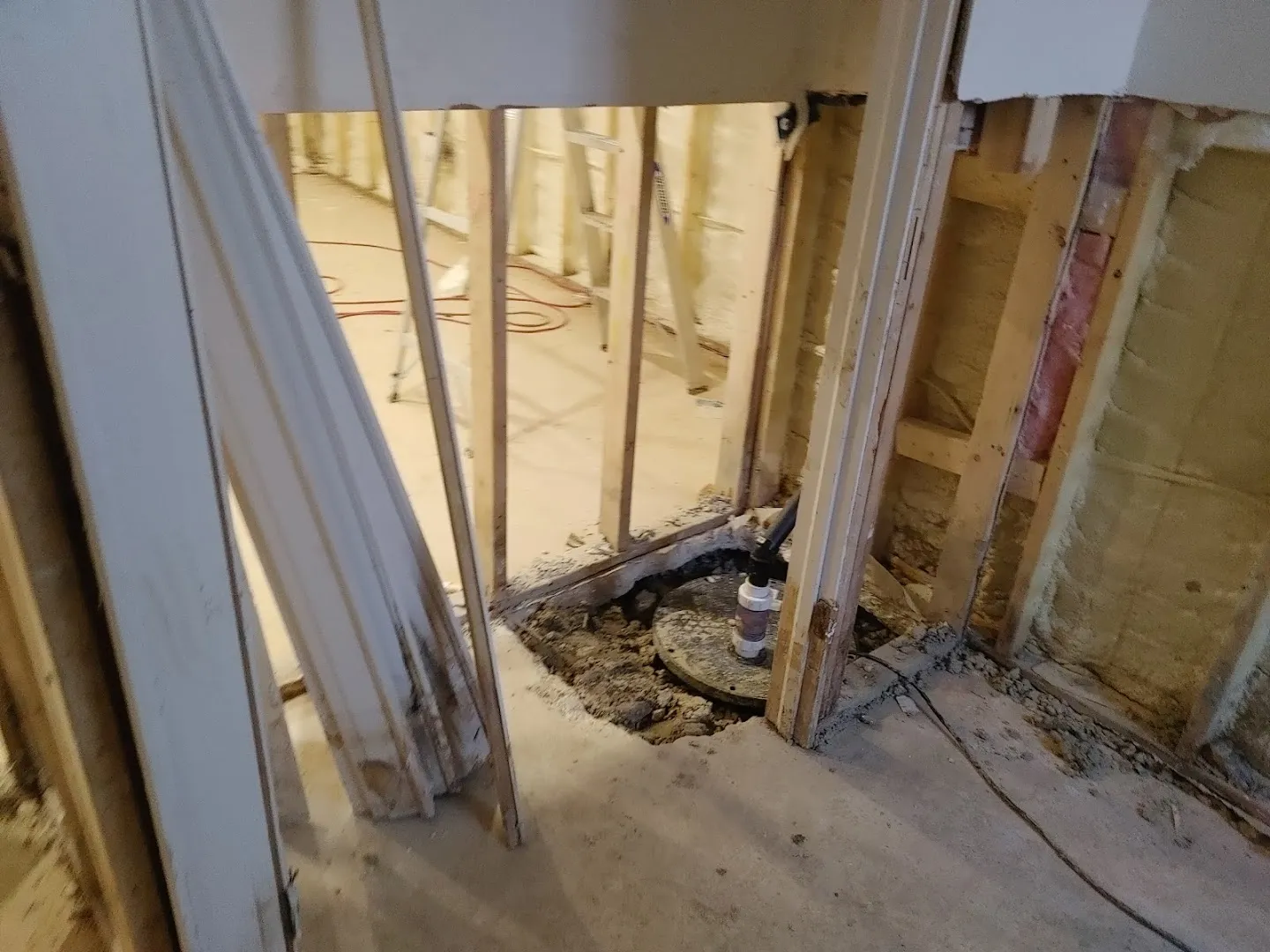
Schedule annual plumbing inspections to catch deteriorating pipes before failure. Sump pumps serve as the primary defense against basement flooding, yet mechanical and electrical failures leave thousands of homes unprotected each year.
Understanding the most common sump pump failure causes helps homeowners maintain this critical system and avoid preventable flooding events.
Is a Sump Pump Necessary to Prevent Basement Flooding?
Yes, a sump pump is necessary to prevent basement flooding in homes with high water tables, poor drainage, or history of water intrusion. Battery backup ensures continued protection during storm-related power outages when flooding risk is highest. Test sump pumps monthly by pouring water into the pit and clean the unit annually. Typical sump pump lifespan runs 7-10 years before replacement becomes necessary.
What Is the Most Important Step After Your Basement Floods?
The most critical step after your basement floods is acting within 48 hours. Shut off power immediately, document all damage, remove standing water, and start the drying process before mold takes hold. The 48-hour window determines whether a flooded basement becomes a manageable cleanup or a major remediation project.
A flooded basement demands systematic response: safety first, documentation second, water removal third, and thorough drying fourth. Understanding what to do if your basement floods transforms an emergency into a recoverable situation with proper preparation and immediate action.
Related Articles
Ready to Get Started?
Get professional services in today. Call now for immediate assistance or get a free quote.
Professional Service
Trusted experts in your area
Quick Response
Fast and reliable service
Fully Licensed
Certified and insured professionals