Emergency Sewage Cleanup in Toronto
Certified biohazard crews responding across North York, Scarborough & Etobicoke around the clock.
What Is Sewage Cleanup?
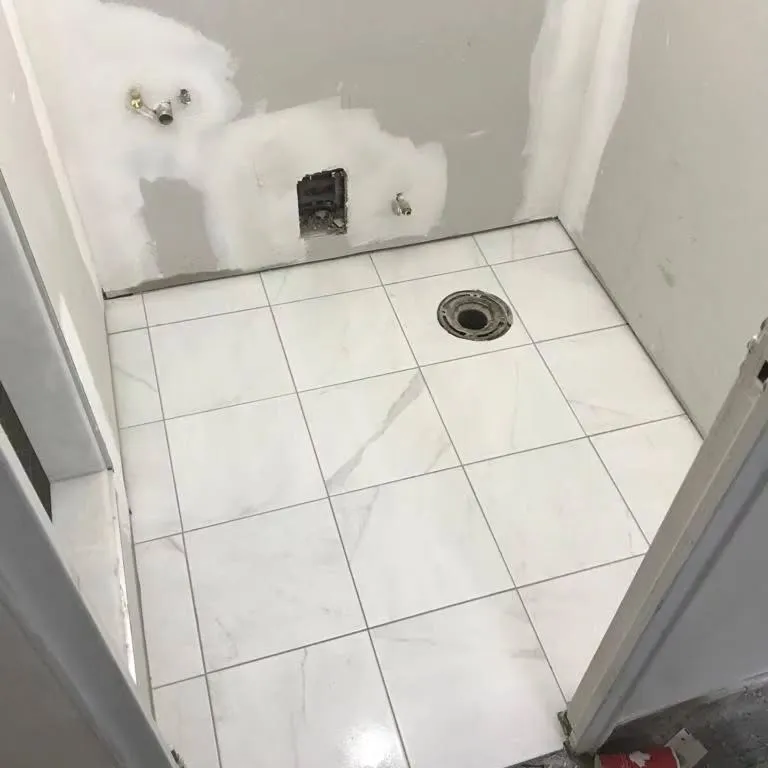
Sewage cleanup is the professional removal, sanitization, and complete restoration of property contaminated by sewage backup, overflow, or sewer line failure. Sewage cleanup differs from basic drain cleaning because sewage remediation addresses post-backup contamination rather than preventing blockages. Sewage backup creates Category 3 "black water" contamination, the most severe classification under IICRC standards. Toronto homeowners with older basements face elevated sewage backup risk due to aging infrastructure and combined sewer systems.
Toronto Wide Restorations provides professional sewage cleanup services across the Greater Toronto Area with 24/7 emergency response and certified remediation protocols.
What Are the Signs You Need Emergency Sewage Cleanup?
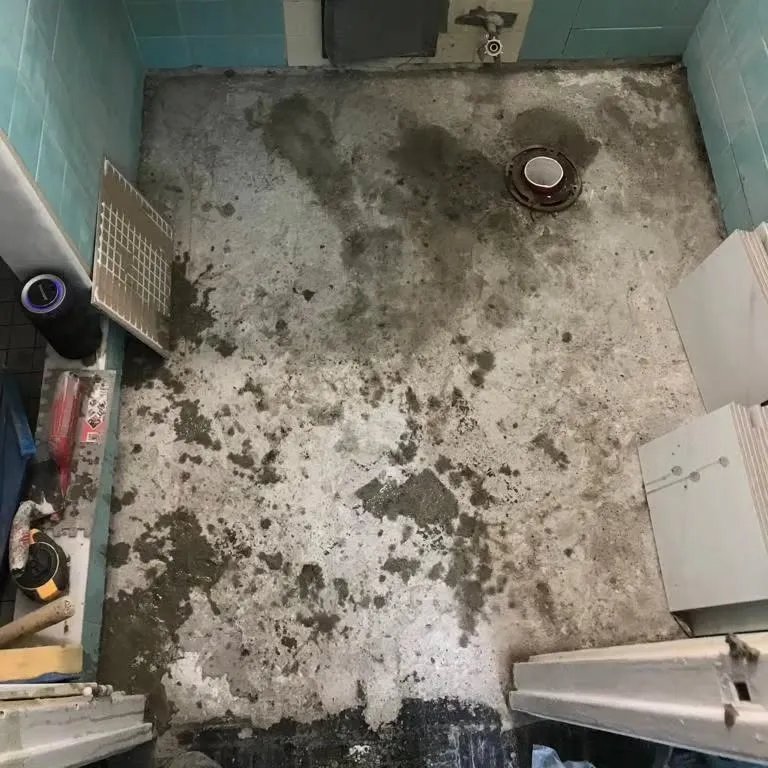
The 5 primary warning signs of sewage backup requiring immediate professional cleanup include visible sewage water, sewage odors, multiple slow drains, gurgling sounds, and water backing up through floor drains.
Standing water with waste material in the basement or lowest level indicates active backup requiring immediate extraction.
Sewer gas smell signals contamination presence even before visible flooding occurs.
Two or more slow drains indicate main sewer line blockage rather than isolated pipe issues.
Air trapped in blocked sewer lines creates gurgling as water attempts to flow.
Storm-related backup indicates combined sewer overflow affecting the property.
Sewage contamination spreads rapidly through porous materials. Recognizing signs early prevents extensive damage and reduces remediation costs.
When Do Toronto Homeowners Need Professional Sewage Remediation?
Toronto homeowners require professional sewage remediation when sewage contamination exceeds safe DIY limits, involves Category 3 black water, or affects porous materials like drywall, carpet, or insulation.
Toronto's combined sewer system in older neighborhoods carries both stormwater and sanitary sewage in single pipes. Heavy rainfall overwhelms the system and causes basement backups. The City of Toronto 311 service handles reports of municipal sewer line blockages.
Homeowners bear responsibility for private service lines from the property to the municipal connection. Professional remediation addresses contamination regardless of backup source.
Where Does Toronto's Sewage Go?
Toronto's sewage travels through the sanitary sewer system to one of four wastewater treatment plants where it undergoes treatment to Ministry of the Environment, Conservation and Parks (MECP) standards before release back into Lake Ontario.
Older Toronto neighborhoods use combined sewer systems that carry both storm runoff and sanitary sewage. Heavy rainfall events exceed system capacity and trigger basement backups through floor drains. The City of Toronto manages approximately 10,900 kilometers of sewer mains serving residential and commercial properties.
Sewage backups frequently cause extensive water damage that saturates walls, floors, and structural materials well beyond the initial contamination zone. Toronto property owners facing water intrusion alongside sewage contamination can rely on water damage restoration in Toronto for comprehensive structural drying and rebuilding after the biohazard remediation phase completes.
How Does Professional Sewage Cleanup Work?
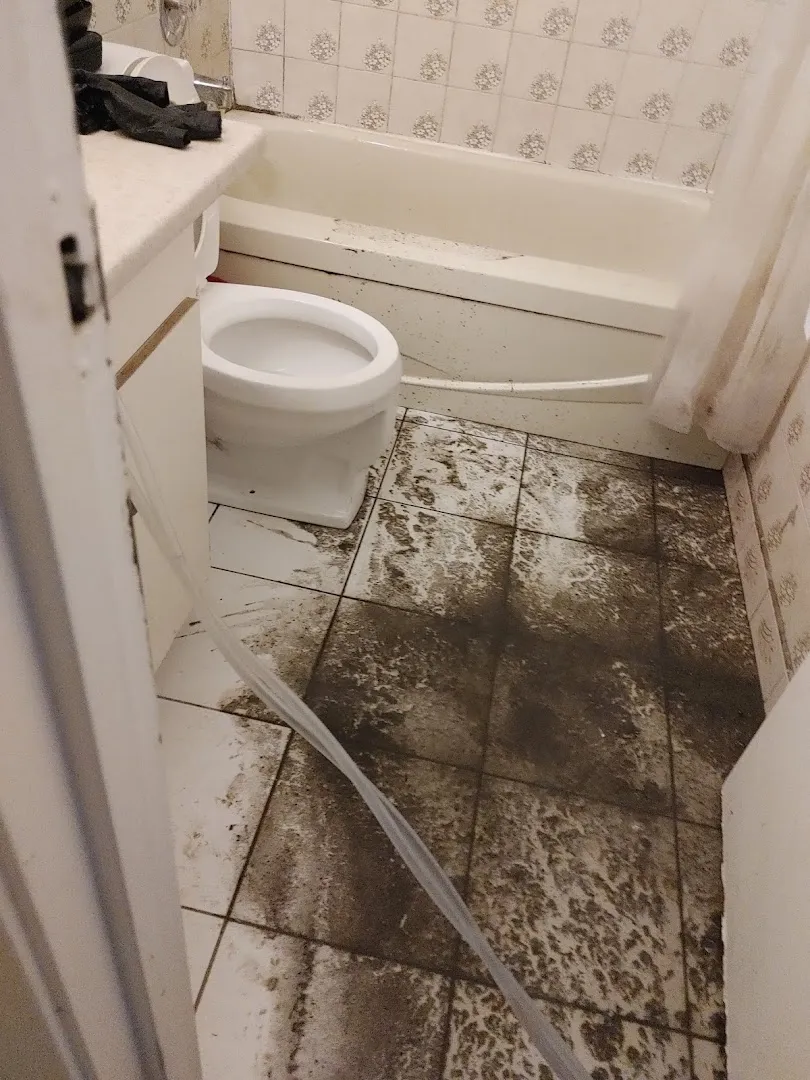
Professional sewage cleanup follows a 6-step process: emergency response, sewage extraction, contaminated material removal, antimicrobial treatment, structural drying, and final sanitization.
Emergency Response and Safety Assessment
Technicians establish safety protocols, shut off electrical systems, and identify contamination boundaries.
Standing Sewage Water Extraction
Industrial truck-mounted extractors remove all visible sewage water and waste material.
Contaminated Material Removal
Technicians remove and properly dispose of drywall, carpet, insulation, and other porous materials absorbing contamination.
Antimicrobial Treatment Application
EPA-registered disinfectants eliminate bacteria, viruses, and pathogens throughout affected areas.
Industrial Structural Drying
Commercial dehumidifiers and air movers reduce moisture levels to prevent mold growth.
Final Sanitization and Clearance Testing
HEPA air scrubbers filter airborne contaminants while technicians verify safe moisture and contamination levels.
IICRC-certified technicians wear full PPE including respirators, protective suits, and waterproof boots throughout the cleanup process.
How Long Does Sewage Cleanup Take?
Most residential sewage cleanup projects take 3 to 5 days for complete remediation, with minor cleanups finishing in 1-2 days and extensive restorations requiring 7-10 days including structural repairs.
The structural drying phase takes the longest at 48-72 hours minimum. Contamination extent, affected square footage, and material damage determine total project duration. Toronto Wide Restorations provides timeline estimates during the initial assessment visit.
What Equipment Do Sewage Cleanup Professionals Use?
Certified sewage cleanup technicians use industrial-grade water extractors, commercial dehumidifiers, HEPA air scrubbers, antimicrobial foggers, and moisture detection equipment.
Household wet-dry vacuums and portable fans lack the capacity for Category 3 contamination. Professional extractors remove thousands of gallons per hour. Commercial dehumidifiers pull 30-50 pints of moisture daily. HEPA filtration captures particles down to 0.3 microns, including bacteria and mold spores.
Is Sewage Backup Dangerous to Your Health?
Yes, sewage backup poses serious health risks from bacteria, viruses, parasites, and toxic gases that cause gastrointestinal illness, skin infections, respiratory problems, and in severe cases, life-threatening infections.
Category 3 black water contains E. coli, Salmonella, Hepatitis A, Giardia, and Cryptosporidium. Sewage releases hydrogen sulfide and methane gases that cause immediate respiratory distress. Children, elderly individuals, and immunocompromised persons face elevated risk from sewage exposure.
Antibiotic-resistant bacteria and antibiotic-resistant genes present in wastewater create significant public health challenges, according to research published by the U.S. Environmental Protection Agency (EPA).
Can You Clean Sewage Yourself?
No, homeowners cannot safely clean sewage backup themselves because Category 3 black water contamination requires professional-grade equipment, antimicrobial treatments, and certified protocols to ensure complete pathogen elimination.
DIY sewage cleanup exposes homeowners to dangerous pathogens without proper PPE. Household cleaning products fail to eliminate all bacteria and viruses in porous materials. Hidden contamination in wall cavities and subfloors requires specialized detection equipment. Improper cleanup leads to mold growth within 24-48 hours.
Is the Smell of Sewage Harmful?
Yes, sewage odor indicates hydrogen sulfide and methane gas exposure, which causes headaches, nausea, eye irritation, and respiratory distress at low concentrations, and poses explosion and asphyxiation risks at higher levels.
Ventilate affected areas immediately when sewage odor is detected. Evacuate the property if gas smell is strong or if any occupant experiences dizziness or difficulty breathing. Contact emergency sewage cleanup services before re-entering the space.
How Much Does Sewage Cleanup Cost in Toronto?
Sewage cleanup in Toronto costs $2,000 to $10,000 for most residential projects, with prices varying based on contamination extent, affected square footage, and required restoration work.
| Service Level | Typical Cost Range | Includes |
|---|---|---|
| Minor cleanup (small area) | $2,000 - $4,000 | Extraction, sanitation, drying |
| Moderate cleanup (full basement) | $4,000 - $7,000 | Above + material removal, antimicrobial treatment |
| Extensive restoration | $7,000 - $10,000+ | Above + structural repairs, full rebuild |
Toronto pricing aligns with GTA market rates. Free estimates from professional restoration companies help homeowners understand project scope before work begins.
What Factors Affect Sewage Cleanup Pricing?
The 4 primary factors affecting sewage cleanup cost include contamination severity, affected square footage, material replacement needs, and structural damage extent.
Category 3 contamination requires more extensive decontamination than less severe classifications. Larger affected areas require more equipment, labor hours, and disposal fees. Replacing drywall, flooring, and insulation adds material costs. Structural damage from prolonged water exposure increases restoration complexity.
Does Insurance Cover Sewage Backup Cleanup?
No, standard homeowners insurance policies do not cover sewage backup damage; homeowners require a separate sewer backup rider or endorsement, typically costing $40 to $160 annually, to receive coverage for sewage-related cleanup and restoration.
Sewer backup coverage is available from most insurers at this cost range, but coverage is not included in standard policies without an added rider, according to the Insurance Information Institute (I.I.I.). Coverage limits typically range from $5,000 to $25,000 depending on the policy. Toronto homeowners facing sewage backup contact their insurance provider immediately to verify coverage status. Toronto Wide Restorations works directly with insurance adjusters to document damage and support the claims process.
How Do You File a Sewage Backup Insurance Claim?
Filing a sewage backup insurance claim requires documenting damage with photos and video, contacting your insurance company within 24 hours, requesting a professional damage assessment, and preserving contaminated items until adjuster inspection.
Do not discard damaged items before the insurance adjuster reviews the property. Keep receipts for all emergency expenses including temporary housing and immediate repairs. Professional restoration companies provide detailed damage assessments that support insurance claims.
Sewage backups during heavy storms often cause simultaneous basement flooding that requires both biohazard remediation and high-volume water extraction. Toronto homeowners dealing with flooded basements alongside sewage contamination can access get basement flooding cleanup help in Toronto for coordinated below-grade water removal and structural drying.
What Are the Risks of DIY Sewage Cleanup?
DIY sewage cleanup carries 5 significant risks: pathogen exposure without proper PPE, incomplete sanitization allowing mold growth, structural damage from improper drying, voided insurance claims, and long-term health complications from residual contamination.
Without respirators, protective suits, and eye protection, homeowners inhale and contact dangerous bacteria and viruses.
Household cleaning products fail to penetrate porous materials where pathogens survive.
Improper drying techniques trap moisture in wall cavities, causing rot and mold.
Insurance companies deny claims when homeowners perform improper remediation.
Residual contamination causes ongoing respiratory problems and illness.
IICRC certification requires training in proper sewage remediation protocols that protect both occupants and property.
How Can You Prevent Future Sewage Backups?
The 4 most effective ways to prevent sewage backup include installing a backwater valve, scheduling annual drain inspections, avoiding flushing grease or non-flushable items, and maintaining tree roots away from sewer lines.
Backwater valves prevent municipal sewer overflow from entering the home. The City of Toronto offers a basement flooding protection subsidy program to help offset backwater valve installation costs. Annual camera inspections identify developing blockages before complete failure. Grease accumulation and non-flushable wipes cause the majority of preventable sewer blockages.
Sewage emergencies affect property owners across the Greater Toronto Area, and our certified biohazard response teams serve neighbouring communities with the same rapid dispatch. Oakville residents facing sewage contamination can access sewage cleanup in Oakville for IICRC-certified Category 3 remediation and complete property restoration.
Why Choose Toronto Wide Restorations for Sewage Cleanup?
Toronto homeowners choose Toronto Wide Restorations for 24/7 emergency sewage cleanup, certified remediation, and complete restoration services across the Greater Toronto Area.
Toronto Wide Restorations delivers on-site response within hours of emergency calls. Certified technicians perform thorough sewage cleanup using industrial equipment and IICRC-approved protocols. The team provides direct insurance support throughout the claims process. Toronto Wide Restorations maintains 5-star service quality with prompt, effective, and professional sewage remediation.
Contact Toronto Wide Restorations for emergency sewage cleanup Toronto services. The 24/7 team responds immediately with free estimates and fast restoration. Professional sewage cleanup in Toronto protects health, property value, and peace of mind.
Service Area: Toronto, ON
We proudly serve Toronto, ON and surrounding areas
Customer Reviews
"Had a sewage backup in our basement and called these guys at midnight. They showed up with all the right equipment, removed the contaminated material, and treated everything. No lingering smell at all. The insurance claim went through without a hitch because they documented everything properly."
"Sewage backed up into our finished basement through the floor drain. The smell was unbearable and we had no idea what to do. These guys arrived in hazmat gear, removed all the contaminated material, treated everything with antimicrobials, and rebuilt the damaged sections. Our basement is cleaner now than before the backup happened."
"Sewage backup in our rental property. Tenants called us panicking and we called Toronto Wide within minutes. They contained the contamination quickly, did a full biohazard cleanup, and the unit passed the health inspection a week later. Made a nightmare situation manageable."
Also Available In
Ready to Get Started?
Get professional sewage cleanup services in Toronto, ON today. Call now for immediate assistance or get a free quote.
Professional Service
Trusted experts in your area
Quick Response
Fast and reliable service
Fully Licensed
Certified and insured professionals